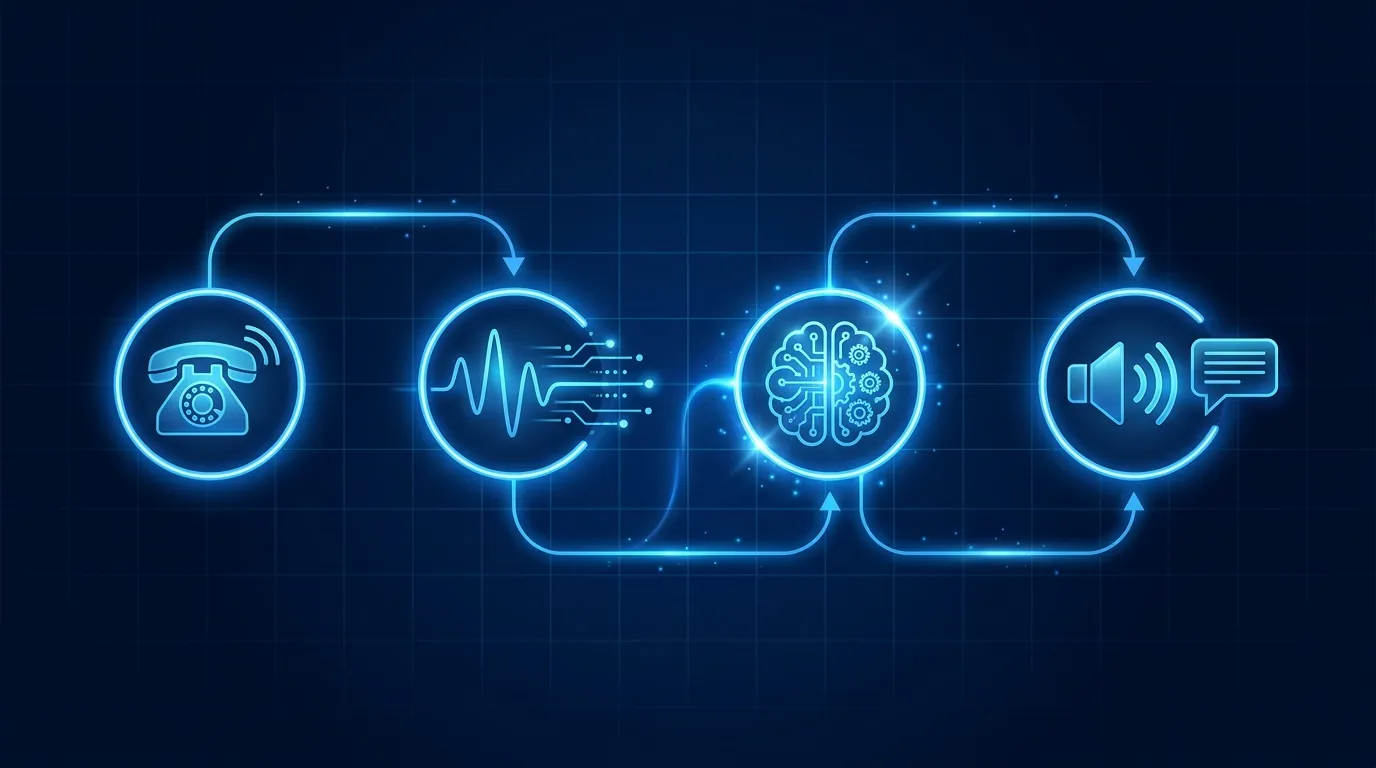
What is mid call fulfilment on an AI voice agent?
It means the agent does not promise a follow up. It performs the follow up, live, while the caller is still talking.
The caller asks what their building could rent for, what a fitout sign package costs, or whether Thursday at 10 works. The agent captures the details and fires the action in your systems.
Then it says the words that close the loop: I have just sent that to your email, can you see it?
That last question matters. The caller confirms delivery inside the conversation. Nothing is left riding on a follow up that half the market never sends.
Why does the follow up you promised never arrive?
Because your follow up is a task, and tasks lose to whatever is on fire.
The published research on this is old, verified and damning. A Harvard Business Review audit of 2,241 US companies found 37 percent responded to a test lead within an hour. 23 percent never responded at all. Among companies that did respond, the average took 42 hours.
The earlier 2007 MIT and InsideSales study covered over 15,000 leads. It found the odds of qualifying a lead drop 21 times between a five minute response and a 30 minute one. Old study, six companies, vendor published, so hold it loosely. But nobody has published evidence the window got wider.
And it is not improving. A study of 114 B2B companies published by Workato found not one of them called a new lead back within five minutes. Not one.
What did a US insurance seller prove about doing it mid call?
Spring Venture Group is a US Medicare insurance seller with a call centre of more than 400 agents. It used to have 50 staff manually qualifying callers before a licensed agent picked up.
It moved that work into the call itself. A voice agent now qualifies the caller and captures the structured data during the conversation, so the licensed human starts with everything already on screen. Vapi, the platform behind it, reports a 25 percent lift in transfer-to-close, with the first version live in five days.
Vendor-published numbers, as always. But the mechanism is the lesson. The data capture happened while the caller was warm, and the next step started before the energy faded.
What can the agent actually send while you talk?
Anything your systems can produce from the details it just captured. Four patterns we build for NZ and AU businesses.
Complex jobs still get a human quote. The agent's job on those is capturing every detail and booking the visit, so your quote goes out first anyway.
How does the mechanics actually work?
Through function calls: the agent's ability to trigger actions in your systems mid conversation.
You approve the actions the agent can take. Generate this report. Price these standard items. Send this template.
The agent cannot improvise an action outside that list. Every trigger is logged against the call with a transcript.
The captured data lands in your CRM either way, the same write-back we use across the sales funnel. When a caller qualifies past your threshold, the agent hands them to your closer with the context attached. We covered that flow in warm transfer explained.
Every Waboom AI agent discloses it is an AI at the start of the call. The caller knows who captured their details and why the email arrived so fast.
What changes commercially when the quote arrives first?
You stop competing on price and start competing on presence.
Tradify's 2026 report on Australian trade businesses found its users win at least three of every four quotes sent. Tradify's own explanation is speed: quick quoting wins jobs by reaching customers first. Self-selected sample, but it matches what every operator knows. The first professional response frames the job.
Now put your current process against that. If your quotes take two days, you are not losing on quality. You are arriving after the decision.
Mid call fulfilment moves your response time from hours to seconds. The call still costs the roughly 80 cents a minute you were already paying.
Count last month's enquiries that waited more than a day for a quote. That list is the revenue this feature chases.
Frequently Asked Questions
Which systems can the agent trigger?
Anything with an API or an email pipeline: CRMs, quoting tools, calendar systems, document generators. We wire each action explicitly during the build, test it with you, and cap what the agent can send.
Can I trust an automatically priced quote?
You set the rules, so you set the risk. Most firms auto-quote standard items within approved ranges and route anything unusual to a human, with the agent capturing specs and booking the follow up. The caller still gets something concrete before goodbye.
What about the caller's data?
Captured details, transcripts and tags sit on our Sydney servers, and live audio is processed offshore. We are transparent about that split. See the Office of the Privacy Commissioner and the OAIC for the frameworks that apply.
Does this work for inbound and outbound?
Both. Inbound callers get the instant quote or pack. On outbound campaigns the agent sends the booking confirmation or info pack the moment a contact says yes, which is exactly when interest peaks.
See how Waboom's AI sales agent runs outbound calls end to end.
Leonardo Garcia-Curtis
Founder & CEO at Waboom AI. Building voice AI agents that convert.
Ready to Build Your AI Voice Agent?
Let's discuss how Waboom AI can help automate your customer conversations.
Book a Free Demo