What is mid call SMS on an AI voice agent?
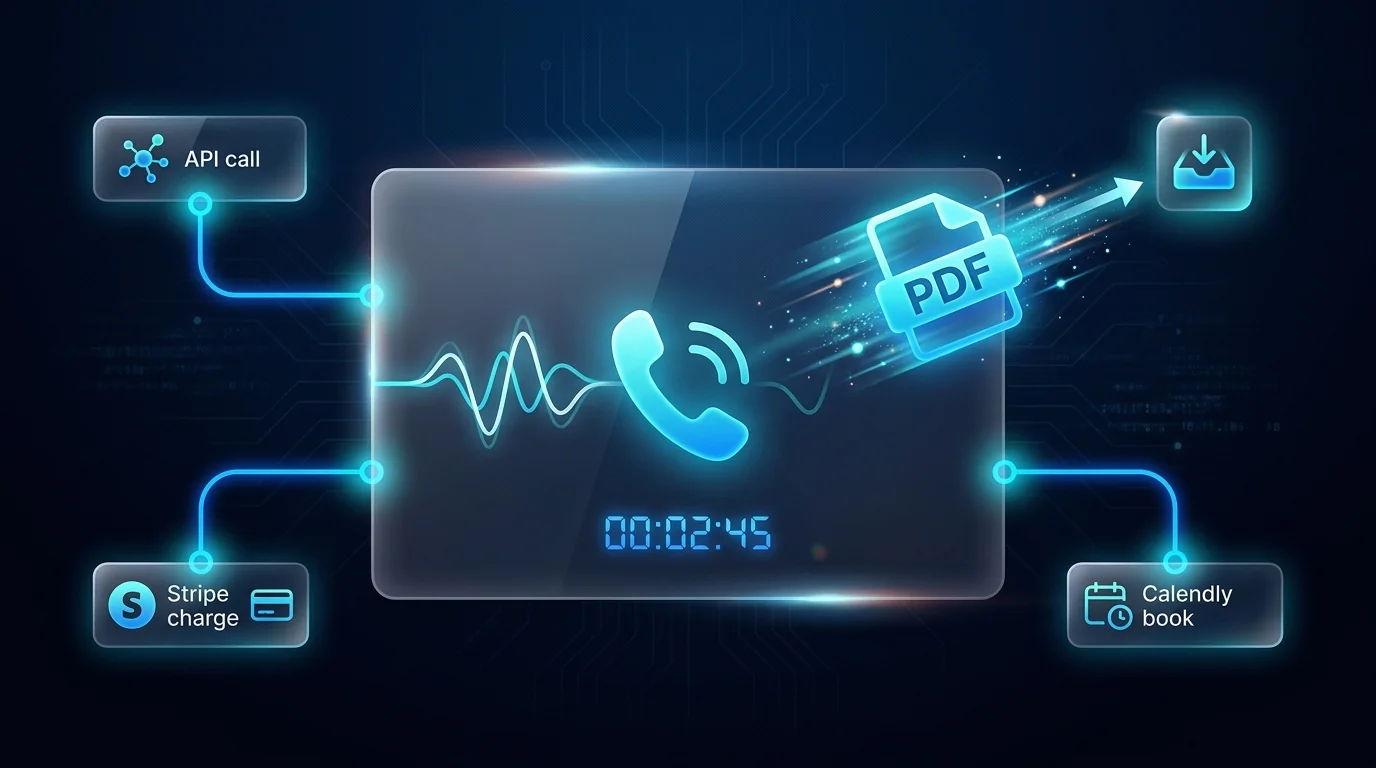
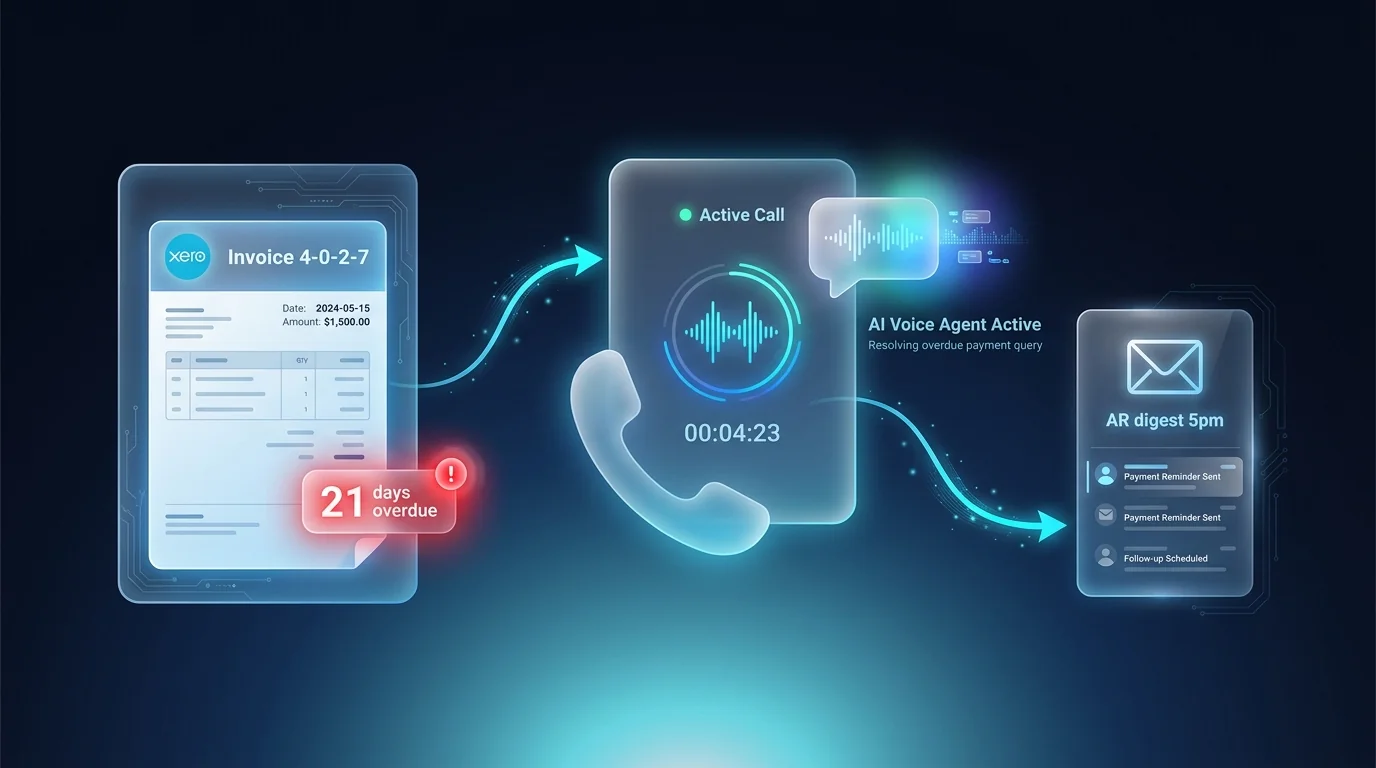
Mid call SMS means the agent sends a text while the caller is still on the line. Not after the call. During it.
The caller asks a question with a link shaped answer. Where do I pay this. How do I get to you. Can you send the booking form.
The agent says it will text the link now, sends it, and stays on the line while the caller checks it landed.
That last part is the whole trick. The caller confirms receipt inside the conversation. Nothing is left hanging on a promise to follow up.
Why does the timing of a text change what the caller does?
Because intent decays the moment the call ends.
An after call text arrives while your caller is making a coffee. It sits next to a courier scam and a two for one pizza offer. A link from a number they do not recognise, minutes after they hung up, earns exactly the suspicion it deserves.
The same link during the call carries the conversation's trust with it. The caller asked for it seconds ago. The voice on the line says it has just been sent. They open it while you are still talking.
NZ callers are rightly wary of texted links, and the numbers say they should be. Netsafe's 2025 scam research counts around 152 scam approaches per Kiwi per year. More than half of the people who met a scam met one by text.
So the agent works with that instinct, not against it. The caller asks for the link before anything sends. The agent names the destination out loud, and the caller confirms it landed while everyone is still talking.
Where does this actually earn its keep?
Anywhere the next step lives on a screen, not in a sentence. Four patterns come up constantly in NZ and AU businesses.
Each one replaces a we will email you that. And each one shows up in your call record as sent and confirmed, not promised.
How does the agent decide when to text?
It asks first, and it only sends what you have approved.
You define the library of links the agent can send. The bond page, the booking page, your payment provider, your address pin. The agent cannot text anything outside that list. There is no improvising a URL on the spot.
On the call, the flow is short. The agent offers the text. The caller says yes.
The message goes to the number they are calling from, or to a number they read out. The agent confirms it arrived and carries on.
Every Waboom AI agent also discloses that it is an AI at the start of the call. Consent for the text sits inside a conversation the caller already understands, which is exactly where it should sit.
What happens on your side of the call?
The whole exchange lands in the call record automatically.
The transcript shows what the caller asked for. The record shows which link was sent, when, and to which number. If the caller books through it, that outcome ties back to the call that produced it.
Compare that with the manual version. Your team member finishes the call, gets interrupted, and the promised text goes out at 4pm or never. There is no record of the gap. The caller just quietly books with someone who followed through.
If you run phone, web chat and SMS together, the thread stays joined across all three. We covered that pattern in the omnichannel piece. Mid call SMS is the sharpest single moment inside it.
What does it cost to add?
Very little on top of the call itself.
The voice minutes run at about 80 cents a minute, billed by the second. A text on top of that is cents. The real cost was never the message. It was the booking that died between the call and the follow up.
Run the maths on your own week. Count the calls where someone promised to send a link afterwards. Then count the ones that went out inside five minutes. The gap between those numbers is what this feature closes, for cents per call.
How does this stay inside NZ and AU messaging rules?
By being the opposite of the messages the rules were written to stop.
Mid call SMS is a requested message inside an existing conversation. The caller asks for the link, agrees to receive it, and gets exactly one text with no marketing attached. That keeps you comfortably inside the NZ Unsolicited Electronic Messages Act and the Australian Spam Act, both of which target bulk unsolicited marketing.
Call data has its own rules, and we are straight about how we handle it. Your transcripts, call records and message logs sit on our Sydney servers. Live audio is processed offshore. See the Office of the Privacy Commissioner and the OAIC for the frameworks that apply.
Frequently Asked Questions
Can the caller opt out of the text?
Yes, by just saying no. The agent offers, the caller declines, and the conversation continues by voice. The offer is logged either way, so you can see how often callers want the link.
What if the caller is on a landline?
The agent asks for a mobile number, or falls back to reading the detail out and logging it for a human follow up. Around a landline heavy caller base, the fallback path matters, and older callers often prefer the spoken version anyway.
Can it send documents, or only links?
Links. A text with a short link to the booking page, form or payment page keeps the message clean and keeps you inside carrier rules. The destination page does the heavy lifting.
Will the text show our business name?
Honest trade-off: branded sender names cannot receive replies. And Australia's new SMS Sender ID Register, live since 1 July 2026, stamps unregistered brand names as unverified. Sending from the agent's own number keeps replies working and sidesteps the register. In a conversation the caller is already in, the number matters less than the timing.
Which businesses get the most from this?
Property managers, trades, clinics and venues, because their callers almost always have a screen based next step. If your team regularly says we will text you that, you already know where the leaks are.
New to the space? Start with our full guide to AI voice agents.
Leonardo Garcia-Curtis
Founder & CEO at Waboom AI. Building voice AI agents that convert.
Ready to Build Your AI Voice Agent?
Let's discuss how Waboom AI can help automate your customer conversations.
Book a Free Demo