
The buyer rang from Brisbane at 8:40pm. Your one agent was 90 minutes up a metal road, no signal, showing a 40-hectare block. The call went to voicemail. By morning the buyer had booked with another agency.
That gap is the whole problem with rural and lifestyle real estate. The patch is huge. The signal is patchy. The agent is always driving.
An AI voice agent for rural and lifestyle property closes that gap. It answers every call, qualifies the buyer, and books the viewing while you are still out on a back paddock.
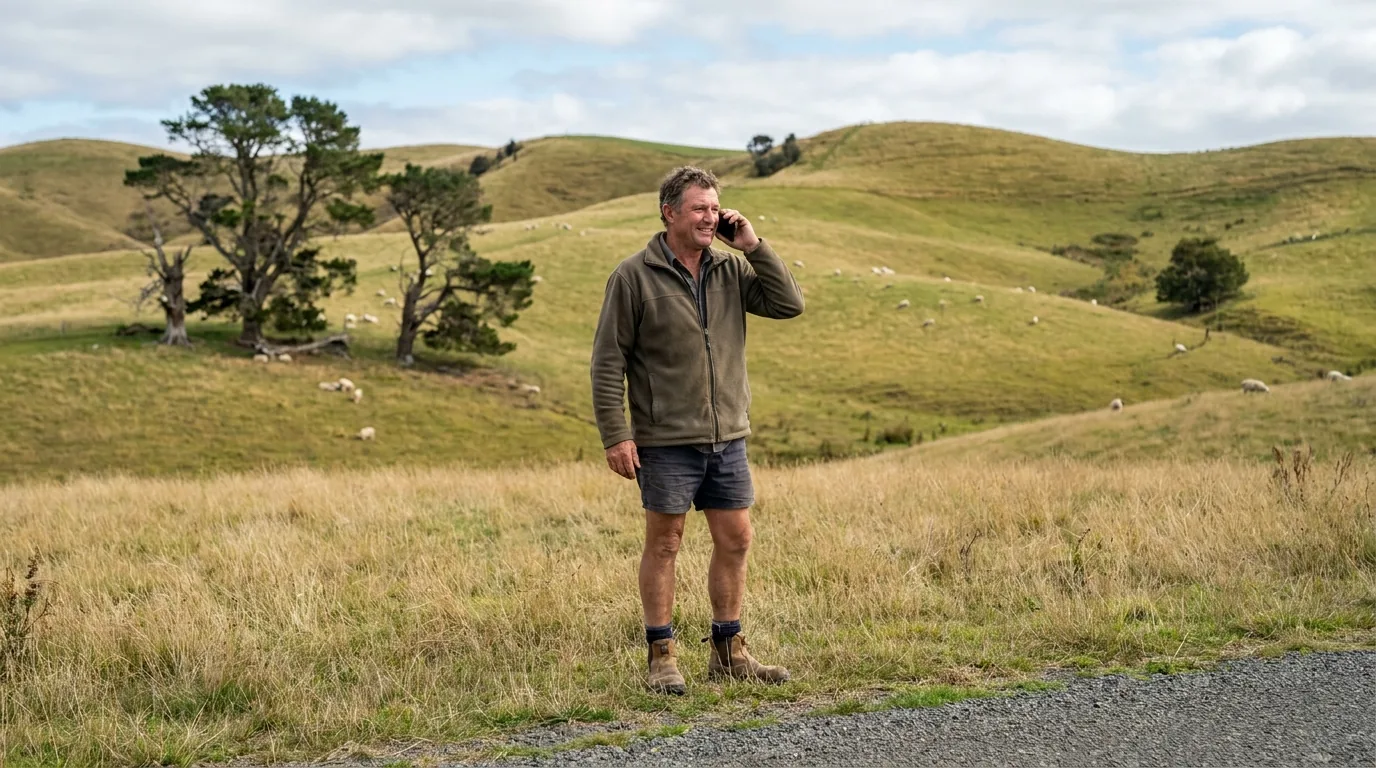
When your agent is out of range, the agent still answers every buyer call.
What does an AI voice agent do for a rural or lifestyle property agency?
It answers every enquiry call, day or night, and handles it like a trained sales assistant. It asks what the caller wants, confirms budget and region, books a viewing, and texts you the details. The agent picks up in under a second, even when you are out of range.
Rural and lifestyle agencies live and die on enquiry response. A 40-hectare grazing block often draws buyers from three cities away. Those buyers ring once. If nobody answers, they move on.
Our platform is built for exactly that load. It knows your listings, your regions, and your viewing windows. It answers in a calm New Zealand or Australian voice and never sounds rushed.
We cover the full setup on the rural and lifestyle voice agent hub. Start there if you want the short version.
Why do rural agents miss buyer calls?
Rural agents miss calls because they spend most of the week on the road, often with no mobile coverage. A single agent covering a large patch can be 90 minutes from the office with zero bars. Every missed call is a buyer who rings the next agency on the list.
Picture a normal Tuesday. You leave at 7am for a station viewing two hours south.
You are at a woolshed, then in a valley with no signal until 4pm. In that window six buyers ring. Three leave no message.
A part-time receptionist in the office would help. But that costs about 28 to 35 dollars an hour before KiwiSaver or super, ACC, and holiday pay. And they clock off at 5pm, right when out-of-town buyers finish work and start calling.
Most enquiry on lifestyle blocks lands after hours. We wrote about why an after-hours line wins these late buyers.
How does it qualify an out-of-town buyer?
The agent asks the questions you would ask, then sorts serious buyers from tyre-kickers. It confirms the region, the budget band, the land use, and whether finance is sorted. It captures the answers as a clean record and flags the hot ones for you to ring back first.
Out-of-town buyers are the bulk of rural and lifestyle enquiry. Someone in Auckland wants 4 hectares near Cambridge. Someone in Sydney wants a hobby farm two hours from the office. They cannot just drop in, so the phone call does all the work.
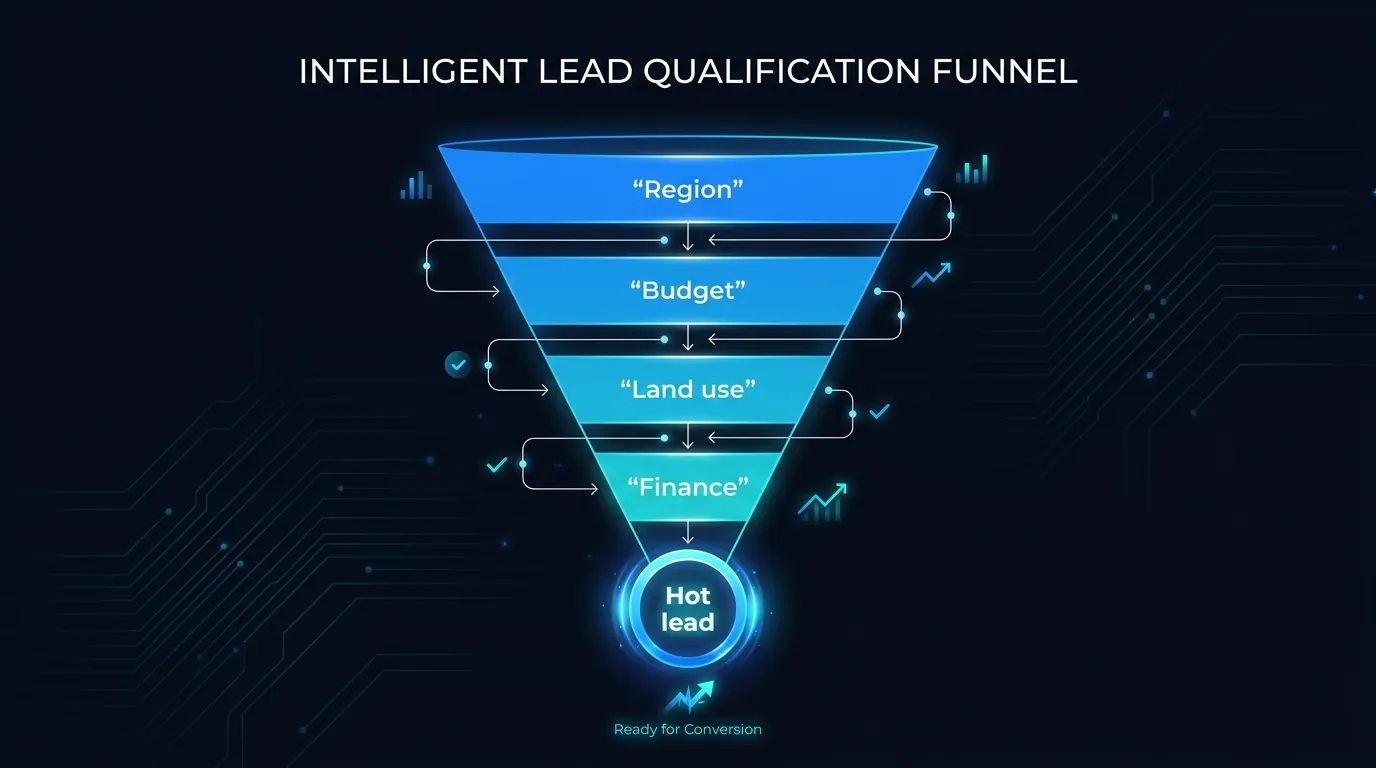
The agent sorts serious buyers from tyre-kickers in a 1 to 2 minute call.
The agent gathers the detail in a 1 to 2 minute conversation, about 95c to $1.90 of call time. Compare that to an hour of your day lost to a buyer who was never going to qualify.
It also discloses it is an AI at the start of every call. Buyers tell us they prefer that to a voicemail dead end.
For the serious buyers, fast follow-up matters most. We dug into how speed of follow-up changes the close rate.
Stop losing buyers to voicemail.
See how an always-on agent fits your patch on the rural and lifestyle voice agent hub.
How does it book a viewing across a big patch?
The agent checks your calendar and books the viewing straight into it, factoring in the drive time across your patch. It offers real windows, confirms the address, and texts the buyer directions. You get a notification with the buyer's details and what they want to see.
Drive time is the killer in rural sales. Two viewings 70km apart cannot sit 20 minutes apart in the diary. The agent knows your buffer rules and books accordingly, so you are never double-booked across the region.
A Christchurch developer using this approach booked viewings at 7.12 dollars each. That is the cost of the call time and the booking, not a lead-gen fee. For a lifestyle block worth several hundred thousand, that economics is not close.
We break down the booking flow in our guide to AI appointment booking for NZ and AU.
How does it handle vendor enquiries?
The agent handles vendor enquiries with care, capturing appraisal requests and listing questions. It logs who owns the property, the region, and why they are thinking of selling. Vendor leads get flagged as high priority, because a listing is worth far more than a single buyer call.
Vendors are the lifeblood of a rural agency. A grazier thinking about selling 200 hectares is a six-figure commission. You cannot afford to miss that call because you were on the road.
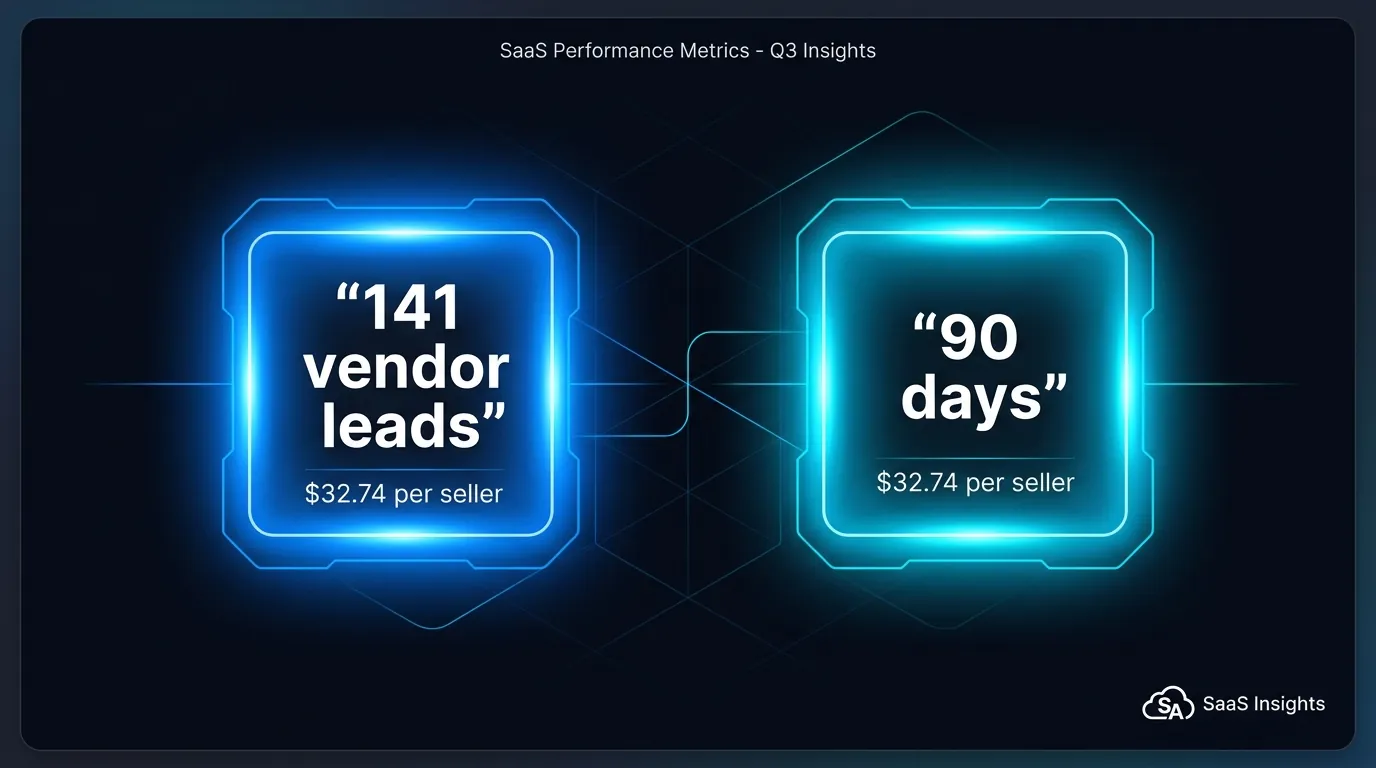
An always-on line turns missed vendor calls into steady listing pipeline.
A Sydney agent running this generated 141 vendor leads in 90 days at 32.74 dollars per seller. That is what a steady, always-on line does for listing pipeline.
We told that full story in our Sydney vendor-lead case study. Worth a read if listings are your priority.
How does it keep enquiry data private?
Your enquiry data is handled under clear privacy rules and stored on servers in Sydney. The portal, the call transcripts, and the structured buyer records all sit on our Sydney servers. The live audio is processed offshore under documented arrangements with our voice infrastructure partner. Every caller is told they are speaking with an AI.
Privacy matters when you hold buyer budgets and vendor circumstances. In New Zealand you sit under the Privacy Act 2020 and the Office of the Privacy Commissioner. In Australia you sit under the Privacy Act 1988 and the 13 Australian Privacy Principles, overseen by the OAIC.
We do not claim all data stays in Australia, because that would not be true. We give you the honest residency split, so you can answer a vendor's question straight.
For the New Zealand detail, read our full guide to the Privacy Act 2020 and AI voice agents.
What does it cost a NZ or AU agency?
You pay by the second at 95c a minute or less, with no hourly wage and no idle time. An average answered call runs about 30 seconds, roughly 48c. A longer qualifying call of 1 to 2 minutes costs about 95c to $1.90. There is no salary, no KiwiSaver or super, no ACC, and no holiday pay.
Run the maths against a receptionist. At 28 to 35 dollars an hour plus on-costs, a part-timer covering office hours is a real fixed bill. The agent only costs you when it is actually on a call.
If you also want to chase warm buyers, an outbound run of 200 dials costs about $125. Connect rates sit between 47 and 65 percent, and about 20 to 25 percent of dials turn into a real conversation.
We lay out the full pricing picture in our AI receptionist cost guide.
A note on humans. The agent is not a replacement for your relationships or your negotiation. It catches the calls you cannot, qualifies them, and hands you the warm ones. We are honest that voice AI still needs humans for the parts that close a deal.
If you run an agency on the Australian side, the AU rural and lifestyle page covers the same setup. And if you want to see how this works as a general inbound line, our inbound receptionist page covers the basics.
Never miss another buyer call.
Book a walkthrough of the agent for your patch on the rural and lifestyle voice agent hub.
Frequently Asked Questions
Does the AI voice agent tell callers it is an AI?
Yes. The agent discloses it is an AI at the start of every call. Buyers and vendors hear it upfront. We find disclosure builds trust, especially with older rural vendors who would rather know than be misled. It is also the right thing to do under New Zealand and Australian privacy expectations.
Can it handle calls when I have no mobile signal?
Yes. The agent runs in the cloud, not on your phone. So when you are 90 minutes up a metal road with no bars, the agent still answers every call. It books the viewing, captures the buyer detail, and texts you the summary the moment you are back in coverage.
How much does an average call cost?
About 48c. An average answered call runs around 30 seconds at 95c a minute or less, billed by the second. A longer qualifying call of 1 to 2 minutes costs about 95c to $1.90. You only pay for live call time, never for idle hours or after-hours standby.
Where is my buyer and vendor data stored?
The portal, transcripts, and structured records sit on our Sydney servers. Live audio is processed offshore under documented arrangements with our voice infrastructure partner. We give you the honest residency split rather than claiming everything stays in Australia, so you can answer a vendor's question accurately.
Will it replace my receptionist or my agents?
No. The agent catches the calls you miss and qualifies them. Your agents still run the viewings, the negotiation, and the relationships that close a sale. The agent removes the cost of a fixed wage for after-hours and overflow cover while you are out on the patch.
Does it work for both lifestyle blocks and large stations?
Yes. The agent handles 2-hectare lifestyle sections and 200-hectare grazing blocks the same way. It qualifies the buyer, confirms the region and budget, and books the viewing. You configure the listings and regions once, and it answers to your patch from then on.
See everything Waboom does in AI for real estate businesses.
Leonardo Garcia-Curtis
Founder & CEO at Waboom AI. Building voice AI agents that convert.
Ready to Build Your AI Voice Agent?
Let's discuss how Waboom AI can help automate your customer conversations.
Book a Free Demo

