6 min read · Operator perspective · 22 September 2026
What is changing in how Kiwi businesses see AI voice agents?
We have done a few expos, but the conversations at NZ Tech Expo felt different.
Previously, we would spend a lot of time talking about the voice itself. Does it sound robotic? Will people realise it is AI? Will customers actually talk to it?
Those questions still came up. But increasingly, people wanted to know something much more practical: can this take some pressure off my team?
At Shed 10 on Friday 18 September, business owners and managers talked to us about staff juggling phone calls while serving customers, enquiries sitting unanswered and follow-ups that never quite make it to the top of the list.
They could already see where they needed help. They wanted to understand whether an AI voice agent could do the job.
What did we hear from businesses at NZ Tech Expo?
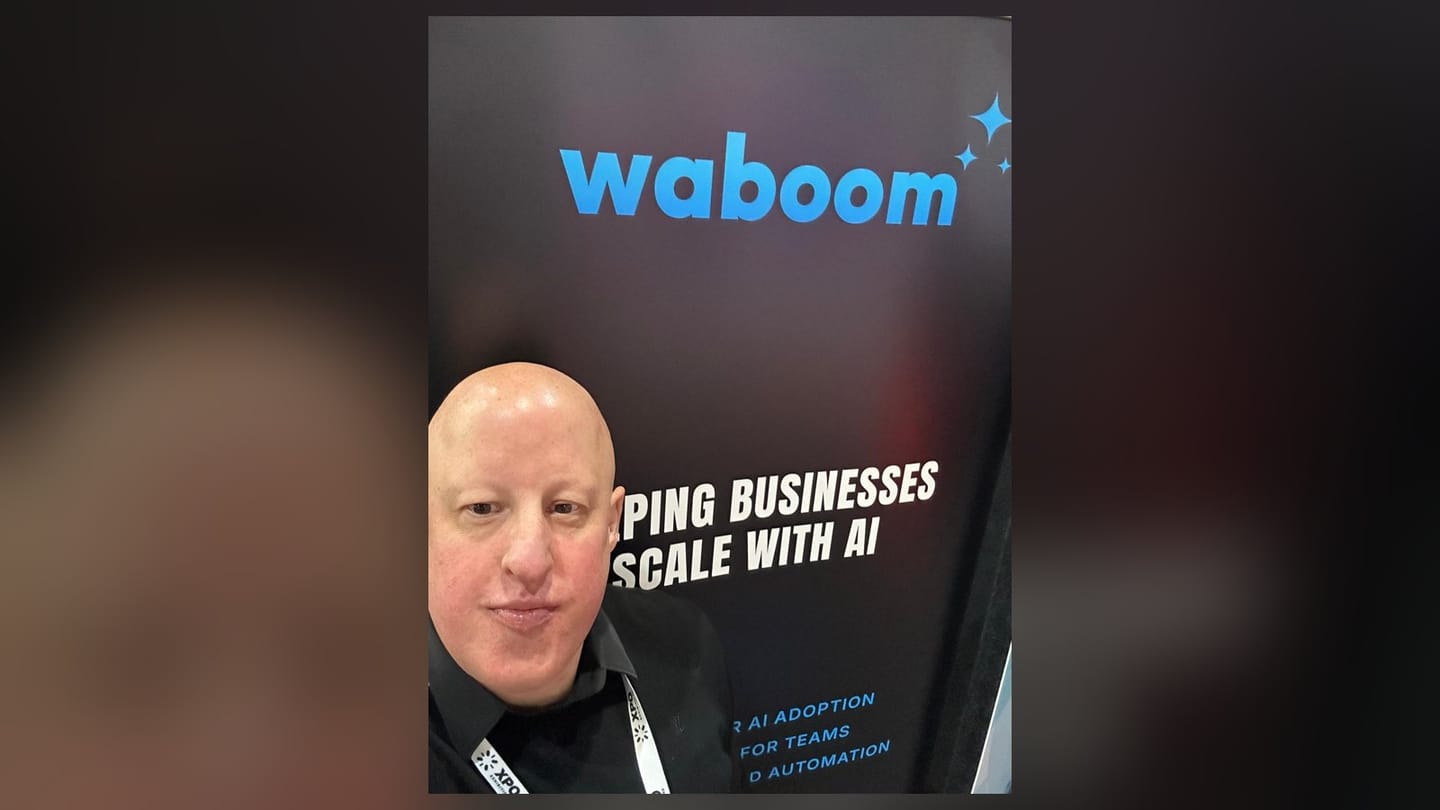
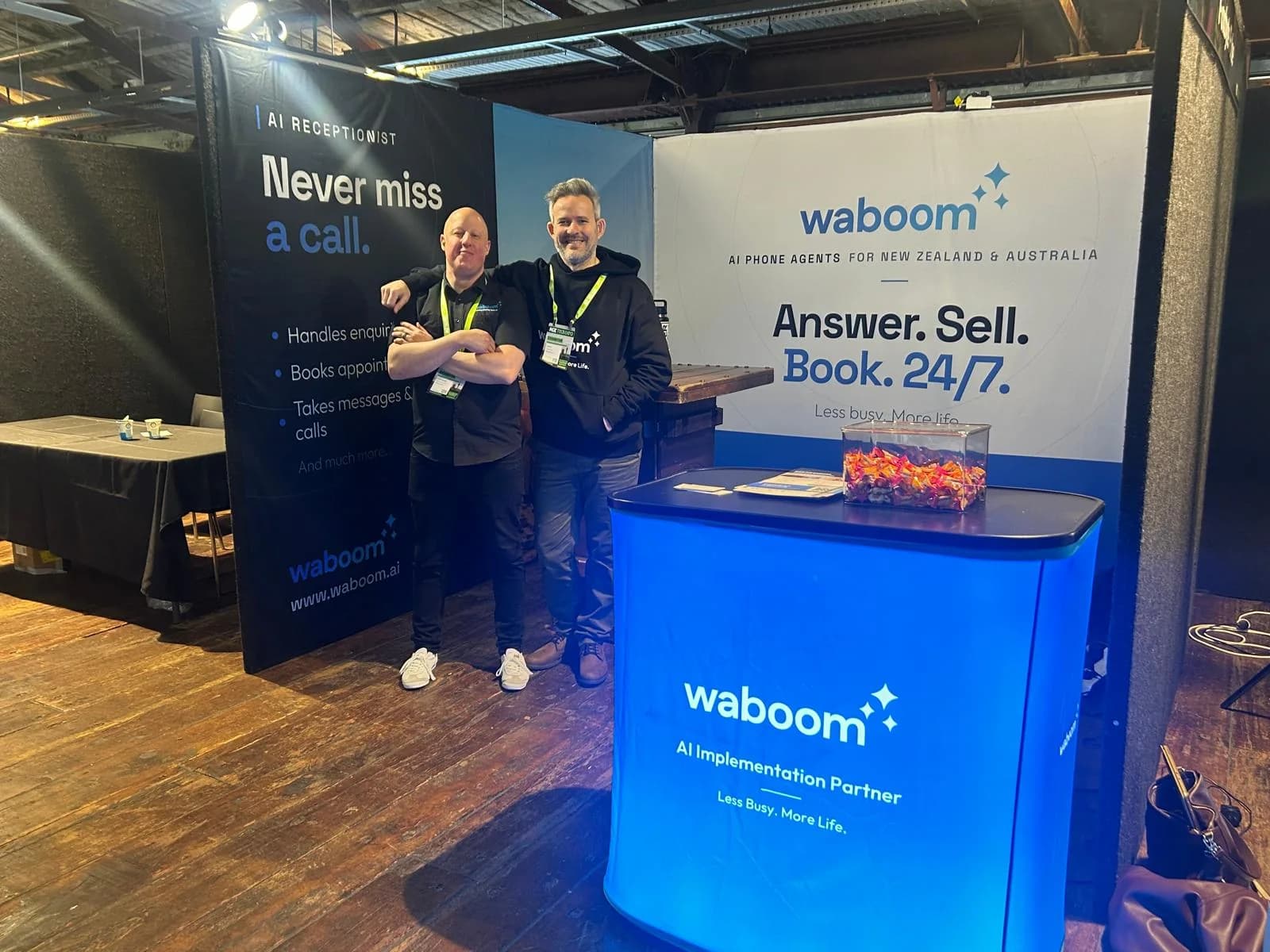
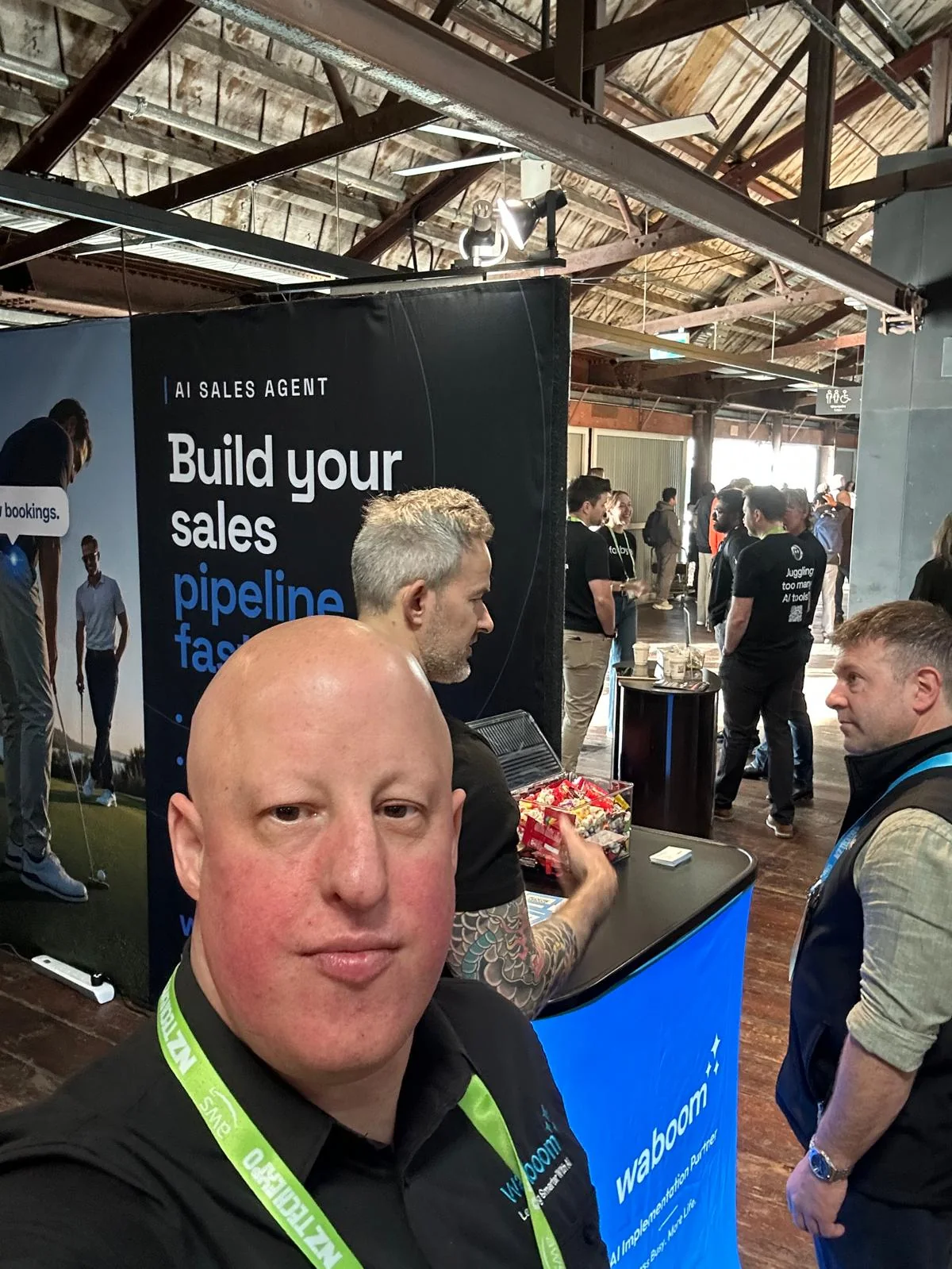
We were flat out. Around 500 people stopped at the Waboom AI stand, and we came away with roughly 200 enquiries.
What stuck with me was how specific the conversations were. Could an agent answer while everyone was busy? Could it take the details and send a text?
Could it follow up a lead, book an appointment or put information into the software the team already used?
Once people heard the agent, they often started talking us through their own business. Where calls got missed. What customers kept asking. Which tasks their staff were spending too much time on.
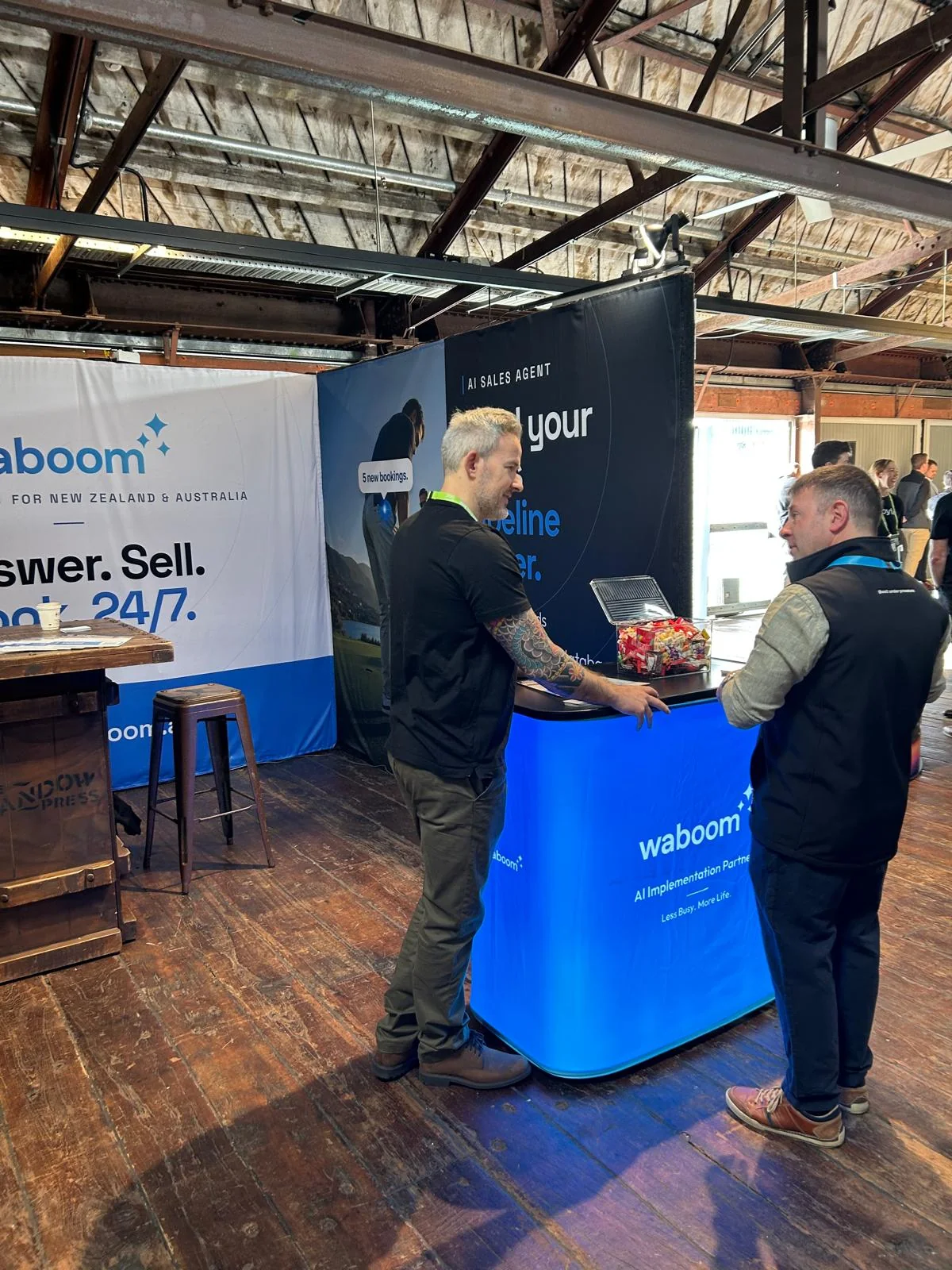
That was the most useful part of the day for us. We got to listen to the problems behind the questions and discuss where we might be able to help.
It also gave us a clearer understanding of what businesses expect. A good conversation matters, but they want to know what happens after the call, too.
We had the same experience at EMEX earlier this year, where showing the thing beat describing it every time.
How could AI voice agents take pressure off staff?
The businesses we spoke with had very different needs, but there was a common thread: their people were already busy.
An education provider wanted to explore speaking with international students in their own language and following up enquiries across different time zones. That opened up a conversation about how a multilingual voice agent could gather initial details and help the team prioritise the next step.
A roadside operator talked about the demands of handling calls overnight. Someone still needs help at 3am, and collecting their location and passing accurate information to the right team takes time and attention.
A subscription business wanted to discuss following up failed payments. It is one of those jobs that matters but can keep slipping down the list when staff are dealing with more immediate requests.
These were opportunities to explore, with details and integrations still to work through. Hearing them firsthand helped us understand what a useful solution would need to do.
For staff, the benefit could be fewer interruptions, less chasing information and more time to help customers who need their attention.
What makes an AI voice agent genuinely useful?
How it sounds still matters. Nobody wants to put something on their phone line that frustrates customers.
But once the voice feels natural, the next questions become more important. Does it understand why someone is calling? Does it capture the right details? Can it take the agreed next step? Does it know when to bring in a person?
And when your staff pick up the enquiry, do they have enough information to help?
An agent that takes a message might be useful. An agent that captures the details your team actually needs and gets them to the right place can save a lot more work.
That means looking carefully at the process around the call, including the systems involved and what should happen when something does not go to plan. Those details determine how much pressure you actually remove from the team.
Where should a business start?
Start with the calls that cause the most pressure.
Maybe they are repetitive questions interrupting your receptionist. Maybe they are enquiries arriving after hours, or follow-ups your team struggles to get through during the day.
Pick one clear job and work through what you need it to achieve. What information should the agent collect? What can it handle itself? When should it hand over? How will you know it is helping?
Not sure which calls are costing you the most? Put your own numbers in.
You do not need to automate every type of call to make a worthwhile difference.
One expo does not tell us what every New Zealand business thinks. But it gave us hundreds of conversations, and a clear sense that more people are considering where voice agents could fit into their business.
We left with plenty of follow-up work and a better understanding of the pressures these teams are facing. That is valuable feedback for what we build and how we help.
Frequently Asked Questions
Are New Zealand businesses becoming more open to AI voice agents?
That was our experience at NZ Tech Expo. People still asked about voice quality, but more conversations focused on practical jobs like answering missed calls, following up enquiries and reducing staff workload. It is an encouraging sign from the businesses we spoke with.
How can an AI voice agent take pressure off my staff?
It can handle routine questions, collect caller details, take messages and help with follow-ups. With the right integrations, it can also book appointments or update records. The best starting point is a repetitive task that regularly interrupts your team or gets pushed aside.
Can an AI voice agent work with our existing software?
Often, yes. It depends on your software and what you want the agent to do. We check whether the system supports the access needed to look up information, create bookings or update records. Having an API can help, but each integration needs to be assessed.
Can callers still speak to a person?
Yes, when transfers are configured and someone is available. You can set rules for when the agent should hand over and what information your staff receive. Outside those hours, it can capture the enquiry and explain what happens next.
Can AI voice agents help with outbound calls too?
Yes. Depending on the setup, they can follow up enquiries, confirm appointments or make routine reminder calls. The purpose, timing and handling of those calls need to be planned around your customers and business requirements.
How do we know whether it is working?
Agree on what success looks like before you start. That might mean fewer missed calls, faster follow-ups, more complete messages or less staff time spent on routine enquiries. Review the actual calls and staff feedback to see whether it is delivering the improvement you wanted.
Missed us at the expo?
Talk to us about the calls putting pressure on your team.
Less Busy. More Life.
Leonardo Garcia-Curtis
Founder & CEO at Waboom AI. Building voice AI agents that convert.
Ready to Build Your AI Voice Agent?
Let's discuss how Waboom AI can help automate your customer conversations.
Book a Free Demo