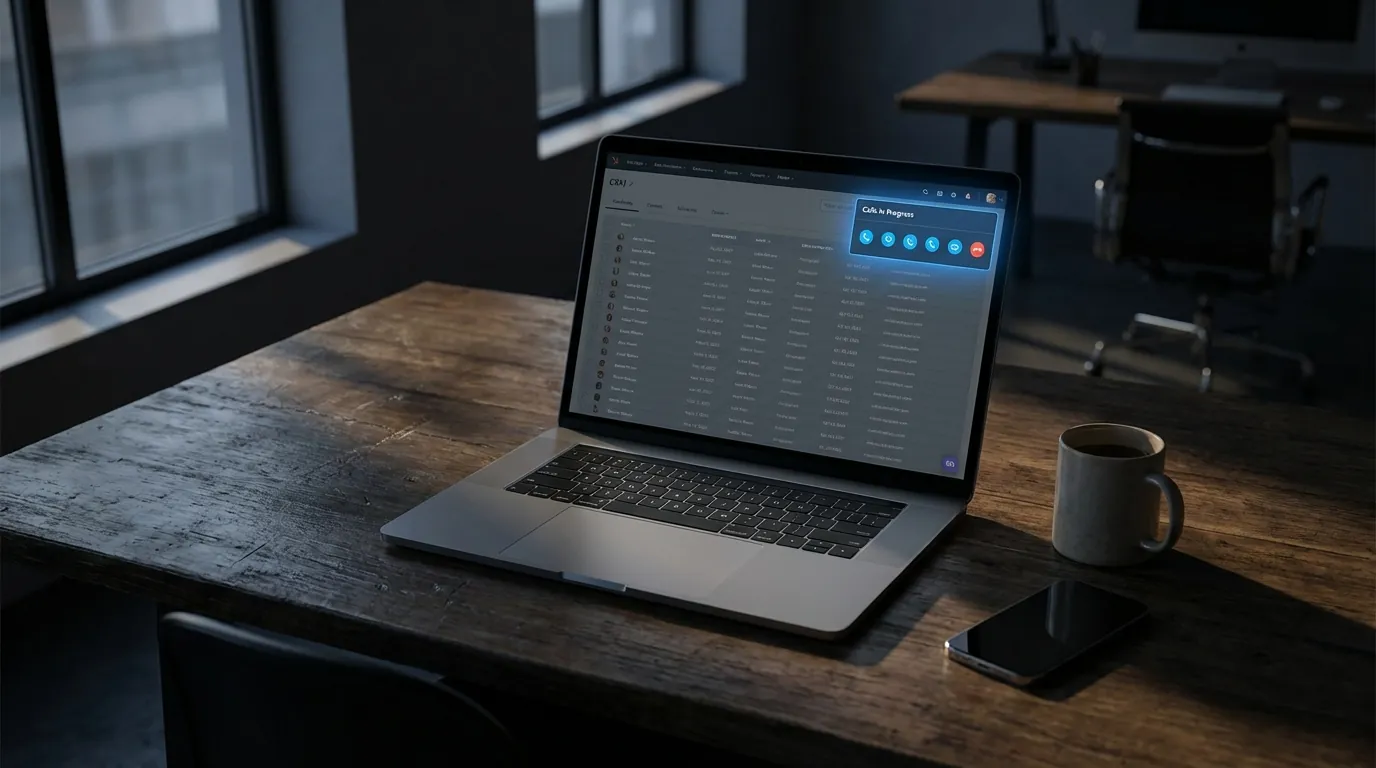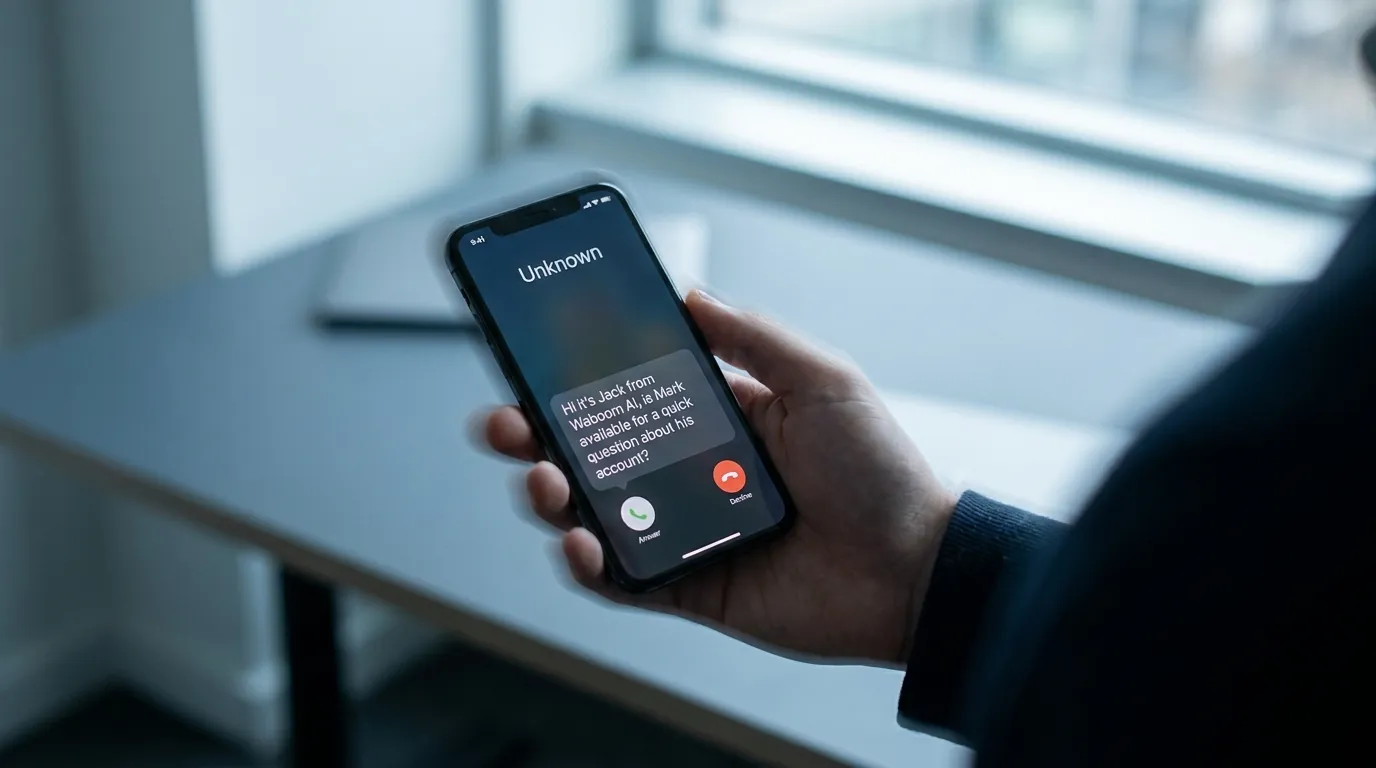
What does it mean when the AI makes the call?
Flip the usual picture. Everyone sells AI that answers your phone. This is the agent that picks up the phone on your behalf.
Your morning has a call list you never wrote down. Confirm the timber delivery. Chase the part that was due Tuesday.
Place the standing Friday order with two wholesalers. Reconfirm tomorrow's first three jobs.
None of those calls needs you. All of them need doing. That is the whole category.
What happened when a developer's AI ordered a pizza?
In December 2025 the well known developer Wes Bos built a voice agent named Pasquale and had it ring real pizza shops. It worked. The agent called a real pizzeria and came back with a real quote of $17.99 for pickup.
It also annoyed a real person. The man who answered got frustrated mid call and said he was too busy for this. Bos said afterwards that he felt bad for wasting the guy's time, and titled the video I Shouldn't Have Built This.
Both halves of that story are the lesson. The capability is genuinely here, and Google now runs a Search feature that phones businesses to ask about pricing and availability on your behalf. But a call that wastes the receiving human's time deserves the reaction it gets.
The fix is not less automation. It is better manners, engineered in.
Which calls should an agent make for a NZ or AU business?
The routine ones, where both sides win from a short, prepared call.
Notice what is not on the list: cold selling to strangers. That is a different discipline with its own rules, covered in our outbound compliance guide. This piece is about the operational calls inside relationships you already have.
Is it even legal for an AI to make calls here?
Yes, and the detail surprises most people.
New Zealand's anti-spam law deliberately leaves voice out. The Unsolicited Electronic Messages Act excludes voice calls, and its schedule expressly includes "a recorded or synthetic voice" in that exclusion. Parliament carved the space out on purpose. What binds you instead is the Fair Trading Act on misleading conduct and the Privacy Act once the agent collects personal information.
Australia is explicit the other way. The Do Not Call Register's own guidance says synthetic voice calling is allowed under the telemarketing rules.
The binding obligations are practical. Say who is calling and why within the first moments, and show a real callable number. Respect the calling hours: 9am to 8pm weekdays, Saturdays to 5pm, never Sundays.
And the direction of travel is disclosure. From 2 August 2026 the EU requires AI systems to tell people they are talking to AI. A live US proposal would require the same on calls. Build to that standard now and the rules never catch you.
How should the agent behave so nobody feels tricked?
Our conduct rules are fixed, and they exist because of stories like the pizza call.
The agent opens with who it is calling for and what it needs. It never pretends to be a person. If someone asks whether it is an AI, it says yes, every time, no exceptions. And it arrives prepared: account number ready, order details loaded, so the call is shorter than the human version would have been.
There is an honest way to frame this to the people you deal with. A commenter in a heated tech-forum debate about phone AI put it best. A small shop can simply say most of our people are busy on the tools, so an assistant handles the calls.
Nobody resents that. People resent being fooled, and they resent their time being wasted. Solve those two and the objection dissolves.
The receiving side matters too. When your agent calls a supplier, that supplier's time is the cost you are spending. A prepared two minute call respects it. A rambling robot does not, and you will wear the reputation.
Why is this suddenly practical in NZ?
Because the phone habits changed underneath everyone.
The Commerce Commission's latest monitoring report counts residential landlines down to 395,000, a fall of 15 percent in one year. Fixed-line calling minutes have collapsed from 4.7 billion a decade ago to about 1 billion. Business phoning now happens on mobiles, in work hours, between jobs.
That makes every outbound call an interruption to someone's actual work, on both ends. Batch your routine calls into an agent and you stop interrupting your own team. With the manners above, you stop wasting the other side's time too.
At about 80 cents a minute billed by the second, a morning's call list costs less than your flat white. And you get to drink it.
Frequently Asked Questions
Will suppliers put up with talking to an AI?
The evidence says they object to being tricked and having time wasted, not to automation itself. A disclosed, prepared, two minute call that places a clean order is easier to serve than a distracted human juggling the phone in a ute. Some businesses will still prefer a human, and the agent logs that preference and routes those calls to you.
What happens when the other side has an answering machine or a menu?
The agent handles both. It navigates phone menus the way we described in IVR navigation, and leaves a coherent message where that is the right move.
Can it actually place orders, or just ask questions?
It can transact within the rules you set: read the order, confirm the total, capture the order number, and write the result into your system. Anything unexpected, a price change or a stock issue, gets flagged to a human instead of guessed at.
Where does the call data live?
Transcripts, outcomes and order details sit on our Sydney servers, and live audio is processed offshore. We are transparent about that split. See the Office of the Privacy Commissioner and the OAIC for the frameworks that apply.
See how Waboom's AI sales agent runs outbound calls end to end.
Leonardo Garcia-Curtis
Founder & CEO at Waboom AI. Building voice AI agents that convert.
Ready to Build Your AI Voice Agent?
Let's discuss how Waboom AI can help automate your customer conversations.
Book a Free Demo