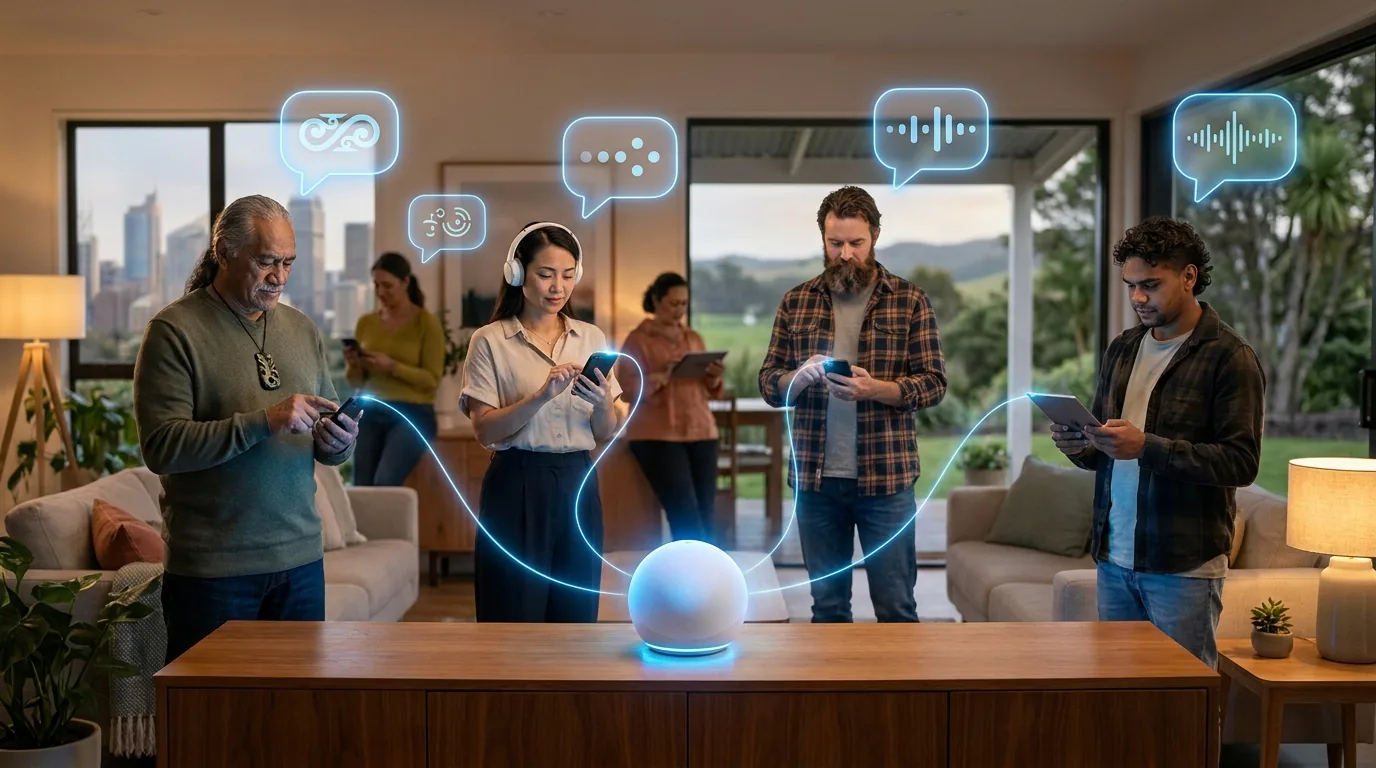
Why do standard voice agents fail older callers?
Because they are built by people in a hurry, for people in a hurry. Older voices break their assumptions in two places.
The first is recognition. A UC Berkeley project called AgeVoicE measured a standard speech model against aging voices. The baseline word error rate was 33.3 percent. One word in three, wrong.
The second is rhythm. Older speech carries natural pauses, restarts and repeated syllables. A generic agent reads a two second pause as the end of a turn, talks over the caller, and the conversation collapses into apologies.
Your customer did nothing wrong. The system was never trained on people like them.
Can voice AI actually be fixed for aging voices?
Yes, and the evidence is specific.
The Berkeley team rebuilt their test data to sound like real aging speech. They slowed recordings to half speed with pitch preserved, inserted two second pauses, and added syllable repetition. Then they fine-tuned the model on it.
The error rate fell from 33.3 percent to 16.5 percent overall. On voices aged 60 plus it fell from 21.5 to 9.9 percent. Younger callers got more accurate too, so nobody paid for the improvement. Half the errors, gone, because someone finally trained for your gran's voice.
At clinical scale, the same lesson shows up as policy. Hippocratic AI's 2026 research paper covers more than 10 million real patient calls. It treats tone, pacing, clarification and turn-taking as safety variables.
Not comfort settings. Safety. Their patients rate the calls 8.95 out of 10 on average.
What does an agent tuned for older callers do differently?
Five behaviours, all deliberate, all configurable.
That last point is backed by adoption research. A 2025 study of 413 older adults found perceived learning effort is the single biggest brake on using voice AI. Older users want systems that respond quickly, speak clearly and behave consistently.
A phone call your agent answers well asks them to learn nothing. They already know how to talk.
Why should a NZ business care now rather than later?
Because your oldest callers are your fastest growing customer group, and they spend real money.
The NZIER Business of Ageing report puts New Zealand's over-65 population at 874,000 and heading past two million by 2074. The detail that matters for your phone line: by 2034 the 80 plus group becomes the largest band of the over-65s. And it stays there.
The same report puts over-65 consumer spending at 54.7 billion dollars a year, on its way to 357.7 billion by 2074. These are not edge-case callers to design around. They are the market.
And they still prefer the phone. So the business that answers it well, at their pace, wins a loyalty younger customers rarely give.
Where does a patient agent earn its keep?
Anywhere older customers ring and the stakes of mishearing are real.
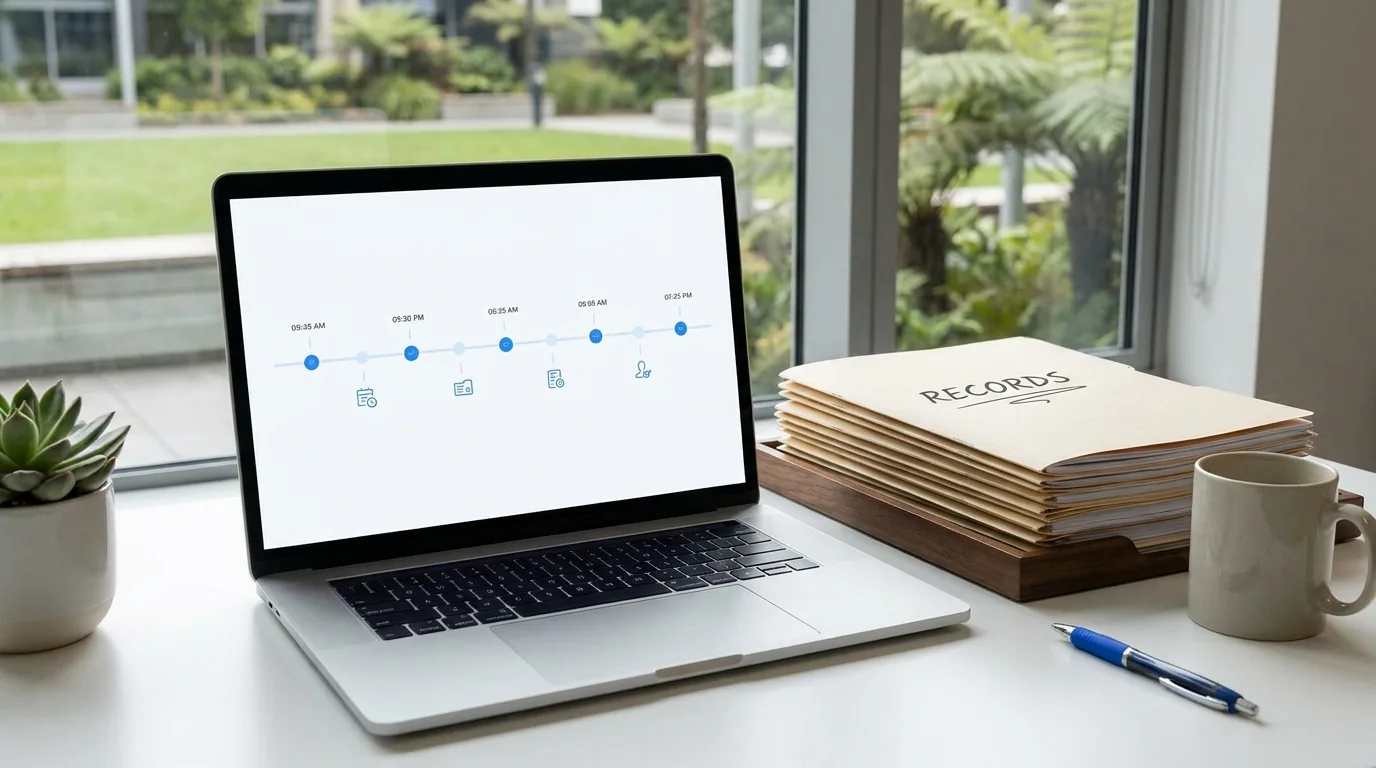
For callers on landlines the agent adapts the whole flow. Nothing gets sent by text. Details are read aloud, confirmed, and logged for a human follow up where needed.
How does this protect older callers instead of exploiting them?
This is the part we refuse to get wrong, because the numbers behind it are ugly.
Netsafe's 2025 State of Scams research found New Zealanders over 71 lose an average of 6,520 dollars per scam victim. That is about three and a half times what Gen X victims lose. The people most in need of patience on the phone are also the people most expensive to deceive.
So the agent's conduct is strict. It states it is an AI at the start of every call. It never pressures, never upsells outside your rules, and never pushes a link at a caller who did not ask.
When a call turns confused or distressed, it hands off to your team with the context attached. We covered that flow in warm transfer explained.
Trust with this cohort is slow to earn and instant to lose. Build the agent like their family is listening, because eventually, they are.
Frequently Asked Questions
Will an 80 year old really talk to an AI?
The clinical evidence says yes, when it is built for them. Hippocratic AI reports an average patient rating of 8.95 across millions of calls, most with older patients. What older callers reject is not AI. It is being rushed, interrupted and misheard.
Does the agent interrupt slow speakers?
No. Turn-taking is tuned so a pause reads as thinking, not as done. The agent holds its reply until the caller has actually finished, which is the single biggest behavioural difference from a generic build.
What about callers who cannot hear the agent well?
The agent speaks at an adjustable pace, repeats on request without limit, and routes to a human when comprehension breaks down twice. The failure mode is a warm handover, never a dead end.
Where does the call data live?
Transcripts, tags and structured call data sit on our Sydney servers, and live audio is processed offshore. We are transparent about that split. See the Office of the Privacy Commissioner and the OAIC for the frameworks that apply.
New to the space? Start with our full guide to AI voice agents.
Leonardo Garcia-Curtis
Founder & CEO at Waboom AI. Building voice AI agents that convert.
Ready to Build Your AI Voice Agent?
Let's discuss how Waboom AI can help automate your customer conversations.
Book a Free Demo