
CSAT on the phone is mostly speed, tone, and consistency. People rate the call high when someone picks up fast, sounds like a local, and gets them an answer the first time.
They rate it low when it rings out, sounds robotic, or makes them repeat themselves. A bad bot makes all of that worse.
So the goal is not just to deploy an agent. The goal is to deploy one your callers actually like. This is how we use an AI voice agent to improve CSAT for NZ and AU businesses, and where a clunky one drags it down.
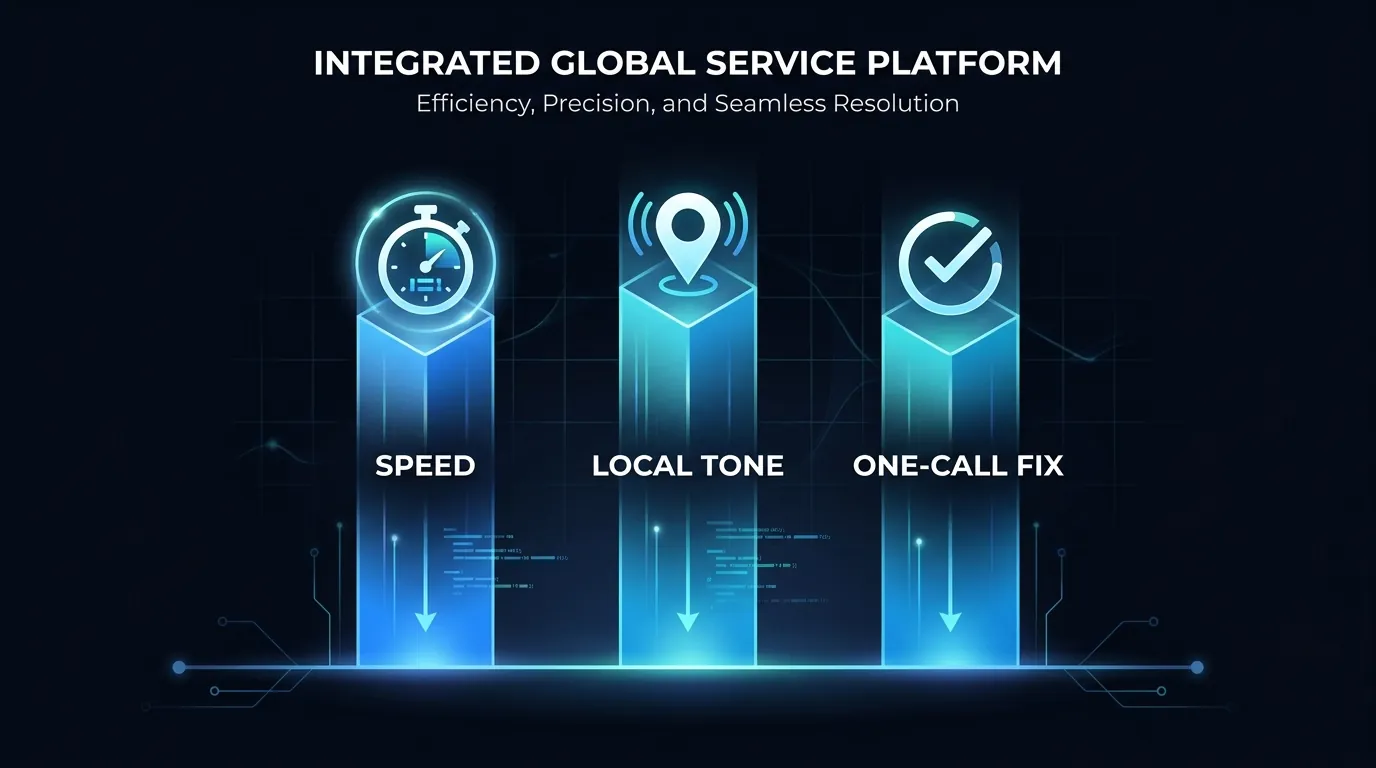
The three levers that move phone CSAT the most: speed to answer, local tone, and one-call resolution.
What drives CSAT on the phone?
CSAT means customer satisfaction. On the phone it comes down to four things. Speed to answer, whether the caller felt heard, whether they got the outcome in one call, and whether the voice felt human and local.
We see the same pattern across every NZ and AU account. The fastest answer wins.
A part-time receptionist costs about 28 to 35 dollars an hour before KiwiSaver or super, ACC and holiday pay. They cannot answer at 7pm on a Sunday. The agent can. If you want the bigger picture on how the front desk runs, read how an AI receptionist actually works.
How does an AI voice agent improve CSAT?
An AI voice agent helps you improve CSAT by removing the three biggest sources of phone frustration. It answers on the first ring. It sounds local. And it never has an off day.
Speed is the first lever. In our accounts, callers rarely give the phone more than a few rings before they give up and try the next business. The agent picks up instantly, every time. No hold music. No voicemail.
Tone is the second lever. The agent speaks with a NZ or AU accent and uses local phrasing. It does not sound like an offshore call centre. It sounds like your front desk. We go deep on this in how we make the agent sound human.
Consistency is the third lever. A tired receptionist on a Friday at 5pm gives a worse call than the same person at 9am. The agent gives the same calm answer at 2am.
Stop losing the 5pm caller.
Every missed call is a CSAT hit you never even see. Our inbound AI voice agent answers on the first ring, day or night.
Does CSAT drop when callers know it is an AI?
Usually not, if the agent is good. We disclose AI on every call, so the agent tells callers it is an AI. Most callers do not mind once the answer is fast and correct.
What drags CSAT down is not the disclosure. It is a clunky experience.
A laggy agent that talks over people scores badly whether it is human or not. Get the speed and the answer right, and the AI label barely registers.
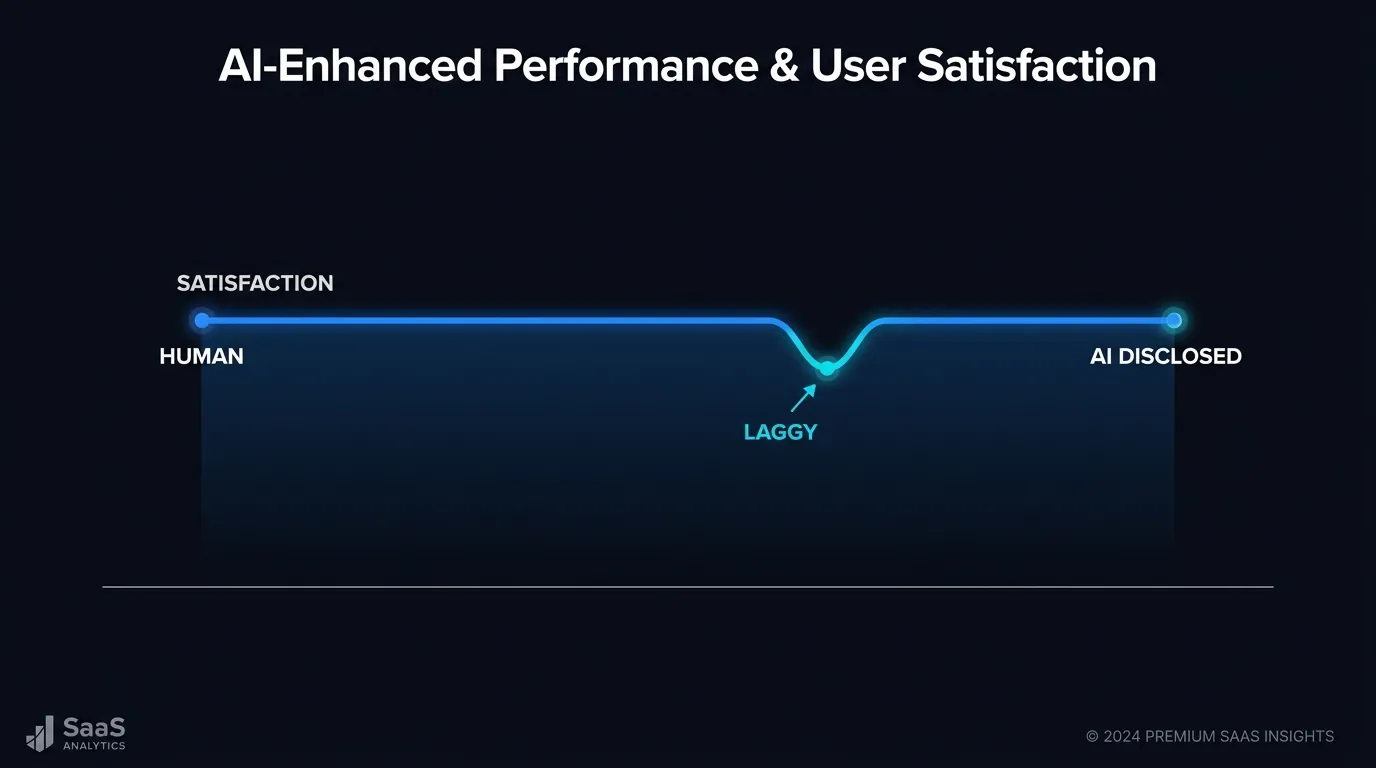
Disclosing AI barely dents satisfaction when the answer is fast and correct.
What CSAT lift can you expect?
CSAT lifts most when your answer rate jumps. A business that was missing 30 percent of its calls and now answers all of them sees the biggest swing.
The numbers vary by industry. But the direction is the same. Faster answers and one-call resolution do the heavy lifting.
The outcome shows up in the funnel too. A Sydney sales account produced 141 leads in 90 days at 32.74 dollars per seller. A Christchurch developer booked viewings at 7.12 dollars each. Happy callers convert, and a 200 dial outbound campaign costs about 100 dollars.
How do you measure CSAT from calls?
You measure CSAT from calls by tagging outcomes and asking a short follow-up. Tag each call as resolved or not. Send a one-question SMS or email after the call. Then watch the trend, not a single score.
Track answer rate alongside CSAT, because the two move together. When abandonment drops, satisfaction climbs.
We cover the full list in our guide to the receptionist KPIs worth tracking, and we go deep on the abandonment angle in cutting call abandonment with an AI voice agent.
When does a bad bot hurt CSAT?
A bad bot hurts CSAT when it is slow, talks over the caller, or cannot escalate. A 2 second lag before the agent replies feels broken. Callers start repeating themselves and the score tanks.
The fix is fast response and a clean handoff to a human. The agent should answer in under a second and pass complex calls to your team.
Some calls just need a person. That is by design, and we explain it in why voice AI agents still need humans.
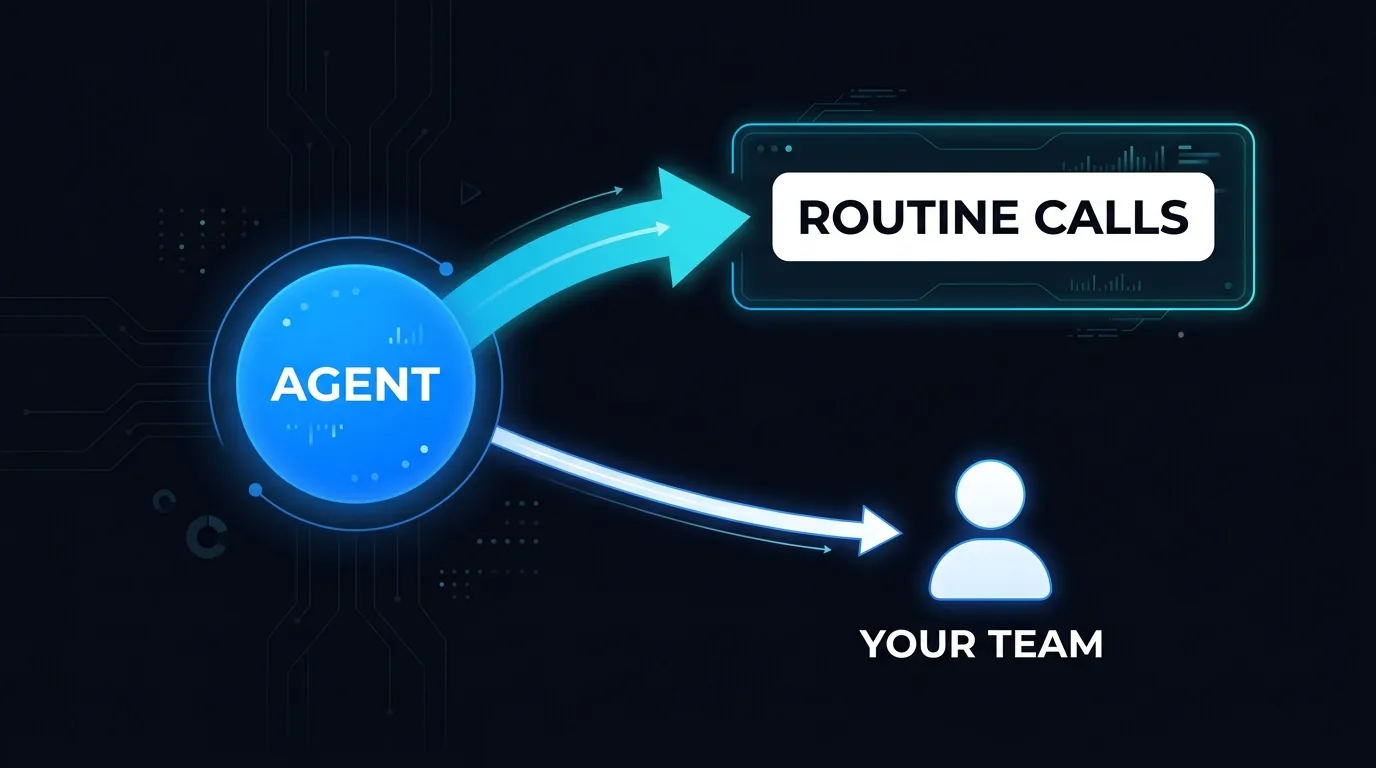
The agent handles the routine load and hands complex calls to your team, which keeps CSAT high.
How do you keep CSAT high over time?
You keep CSAT high by reviewing transcripts weekly and tuning the script. CSAT is not set-and-forget. The first month is the most important.
Listen to 10 calls a week. Find the moments where callers got stuck. Fix the script. Re-test. We never ship an agent and walk away.
Your data stays governed the whole time. Portal records and transcripts sit on our Sydney servers. Live audio is processed offshore under documented arrangements with our voice infrastructure partner.
We do not say all data stays in Australia, because that is not true. We tell you the honest split.
NZ callers are covered by the Privacy Act 2020 and the OPC. AU callers are covered by the Privacy Act 1988 and the 13 Australian Privacy Principles, the APPs, overseen by the OAIC. You can delete a caller record in 10 minutes, and breaches are reported through the Notifiable Data Breaches scheme.
Lift your phone CSAT this quarter.
See how our inbound AI voice agent answers fast, sounds local, and keeps your callers happy.
Frequently Asked Questions
How fast does the agent answer?
On the first ring, every time. There is no hold queue and no voicemail. In our accounts, callers rarely wait through more than a handful of rings before they hang up and call a rival, so instant pickup is the single biggest CSAT lever for a busy front desk. The agent removes that wait entirely, day or night.
Will callers be annoyed it is an AI?
Rarely, if the answer is fast and correct. We disclose AI on every call. Most callers care far more about getting their answer in one call than about who delivered it. A laggy human scores worse than a sharp agent that resolves the call quickly.
How much does a call cost?
About 80 cents a minute, billed by the second. An average answered call runs about 30 seconds, so roughly 40 cents. A one to two minute call is about one to two dollars. A 200 dial outbound campaign costs about 100 dollars.
Where does my data live?
Portal records and transcripts sit on our Sydney servers. Live audio is processed offshore under documented arrangements with our voice infrastructure partner. We give you the honest split, not a marketing line. NZ data falls under the Privacy Act 2020, AU under the APPs.
Can it hand off to a human?
Yes. The agent escalates complex calls to your team. That clean handoff is part of why CSAT stays high. Some calls need a person, and the agent knows when to pass it across rather than guess and frustrate the caller.
How fast can I delete a record?
In 10 minutes. NZ callers fall under the Privacy Act 2020 and the OPC. AU callers fall under the Privacy Act 1988 and the Australian Privacy Principles, overseen by the OAIC. Breaches are reported through the Notifiable Data Breaches scheme.
Want the fundamentals first? Read the full AI voice agent guide.
Leonardo Garcia-Curtis
Founder & CEO at Waboom AI. Building voice AI agents that convert.
Ready to Build Your AI Voice Agent?
Let's discuss how Waboom AI can help automate your customer conversations.
Book a Free Demo

