It's 9am on a Tuesday. Your two reps have a list of 200 names from a trade show three weeks ago. By 10:30 they've dialled 60, reached 14, and booked nothing. The rest were voicemail, wrong numbers, or "not interested".
That's the job most sales teams hate. AI SDR lead qualification takes that grind off their desk. The agent dials the whole list, has a real first conversation, sorts the warm from the dead, and hands your rep a live person who already wants to talk.
We ran exactly this for a Sydney sales team. Here's what it does, what it costs, and what it produced.
What does an AI SDR do on an outbound call?
An AI SDR dials your lead list, opens with a natural human-sounding conversation, and qualifies each person against your criteria. It discloses it's an AI, asks a few questions, and routes the call. Hot leads get warm-transferred to a rep. Everything else gets tagged and logged.
Think of it as the first 30 seconds of every cold call, done at scale, without a person. A real rep spends most of their day getting past voicemail and wrong numbers. The connect rate on outbound sits between 47 and 65 percent. So roughly half of every list is noise before a conversation even starts.
The agent absorbs that noise. It dials 200 numbers, holds short conversations with the ones who pick up, and only escalates the people worth a rep's time. Around 20 to 25 percent of dials become a real conversation lasting a minute or more. Your rep never hears the other 75 percent.
If you want the full build, our AI sales agent platform handles the dialling, the conversation, and the handoff in one flow.
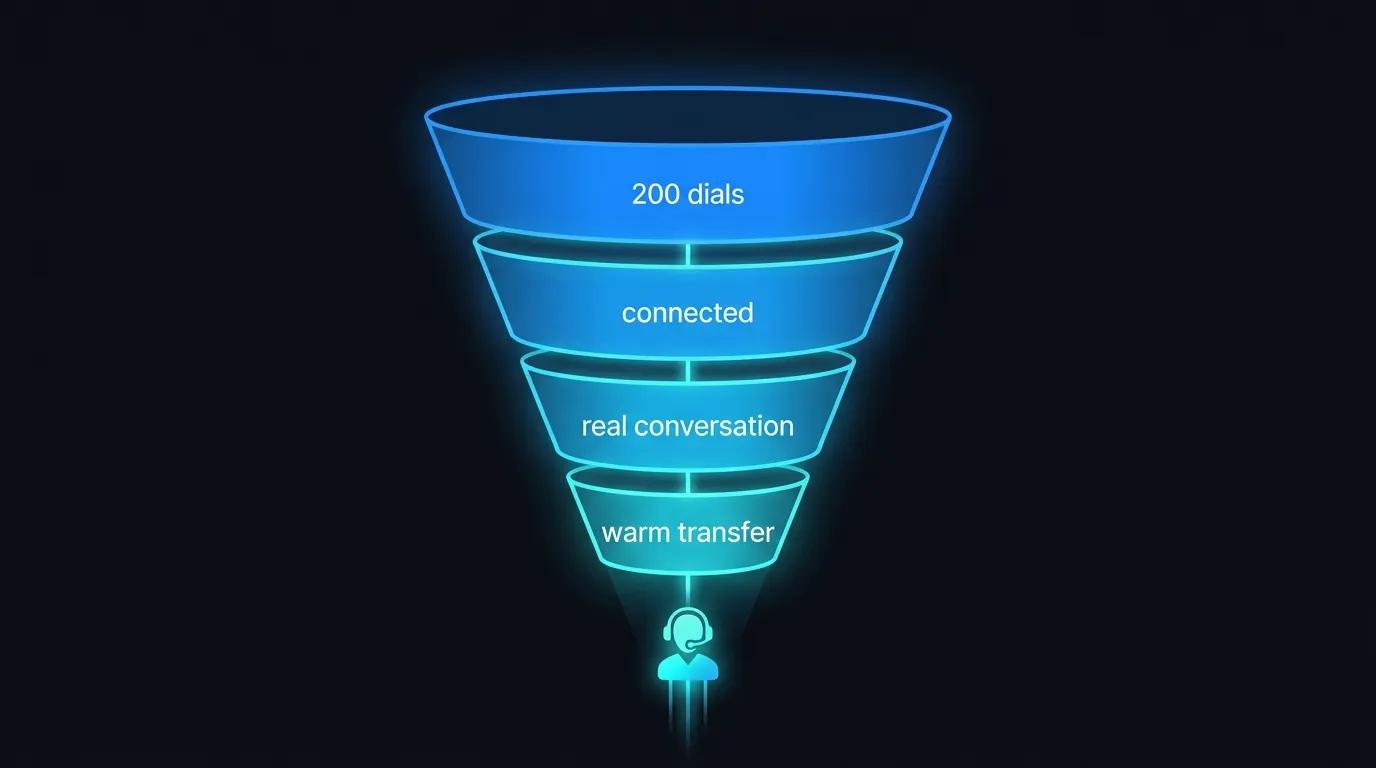
The agent absorbs the voicemail and wrong-number noise, so reps only see the bottom of the funnel.
How does an AI SDR qualify a lead in under a minute?
It asks two or three questions that map to your real buying signals, then scores the answer on the spot. A homeowner thinking of selling in the next three months is hot. Someone "just looking" is not. The agent decides in seconds and routes accordingly.
You define the qualification logic, not us. For a real estate team it might be timeframe, suburb, and whether they've spoken to an agent yet. For a B2B team it might be company size, budget owner, and current contract end date. The agent works through those in plain conversation, not a robotic survey.
The average answered call runs about 30 seconds. A genuine qualifying chat that ends in a transfer runs one to two minutes. The agent listens, branches on the answer, and never forgets to ask the next question. That's the part human SDRs get wrong on dial 80 of the day.
How does it warm-transfer a hot lead to a rep?
When a lead qualifies, the agent live-transfers the call to an available rep and passes the full context across. The rep picks up already knowing the name, the answers, and why this person is worth talking to. No cold restart. No "so what made you call today".
This is the difference between a warm transfer and a list of names. A cold handoff loses the thread. Our agent carries the conversation across so the human starts mid-stream. We wrote a whole piece on how transfers preserve the full context so nobody repeats themselves.
The rep gets the lead at the moment of highest intent, while the person is still on the line and still keen. If no rep is free, the agent books a callback slot and logs the lead as hot for fast follow-up. Speed matters here. We covered why following up fast decides the deal in a separate guide.
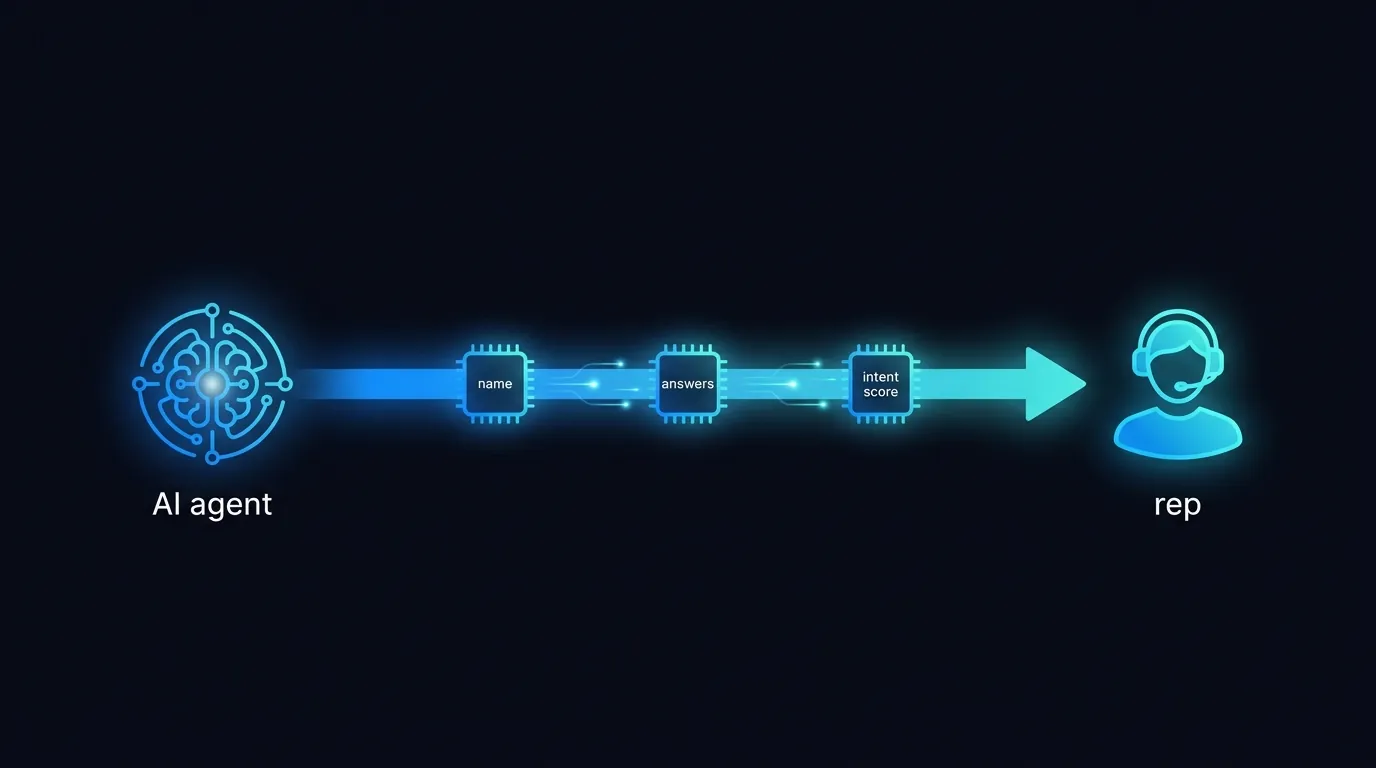
A warm transfer carries the name, the answers, and the intent score, so the rep starts mid-conversation.
What does an AI SDR cost per qualified lead?
About 80 cents per minute in NZD or AUD, billed by the second. Most answered calls run 30 seconds, so around 40 cents each. A full qualifying conversation that ends in a transfer runs one to two minutes, so roughly $1 to $2. A 200-dial campaign costs about $100.
Compare that to the alternative. A part-time SDR in New Zealand or Australia costs roughly $28 to $35 an hour before KiwiSaver or super, ACC, and holiday pay. In one hour a human dials maybe 25 to 35 numbers and reaches a handful.
The agent runs your whole 200-name list in the same window for about $100, and it doesn't get tired on dial 150. The number that actually matters is cost per qualified lead, not cost per dial. We break down the outbound KPIs worth tracking so you measure the right thing.
Stop paying reps to dial dead numbers.
See how our outbound sales agent qualifies your list for the price of coffee and hands reps only the live ones.
How does it stay compliant with the Do Not Call rules?
The agent discloses it's an AI at the start of every call, and your list gets screened against the relevant do-not-call rules before dialling. In Australia that means the Do Not Call Register and the Spam Act 2003. In New Zealand it means the Unsolicited Electronic Messages Act 2007 and the Privacy Act 2020.
Compliance is not optional and it's not an afterthought. In Australia you scrub numbers against the Do Not Call Register before any sales call goes out. The Spam Act and the 13 Australian Privacy Principles, overseen by the OAIC, govern how you contact and store people's details. In New Zealand the Office of the Privacy Commissioner enforces the Privacy Act 2020.
HIPAA is United States law and does not apply to NZ or AU businesses, so ignore anyone who tells you it does. On data: your portal, transcripts, and structured call records sit on our Sydney servers, while the live audio is processed offshore. We wrote a full piece on protecting your brand under the Do Not Call rules.
What does a real outbound campaign actually produce?
A Sydney sales team ran our agent for 90 days and got 141 qualified vendor leads at $32.74 per seller. That's a 7.1 percent warm-transfer rate from conversation. A Christchurch property developer used the same approach to book viewings at $7.12 each.
These are real numbers, not projections. The Sydney campaign is the clearest proof we have. Over three months the agent dialled, qualified, and warm-transferred until it had handed 141 ready sellers to the human reps, each one costing $32.74 to surface.
At a part-time SDR's hourly rate, you'd struggle to touch that. We documented the full Sydney case start to finish if you want the breakdown. The agent doesn't replace your closers. It feeds them live, qualified people so they spend their day selling, not dialling.
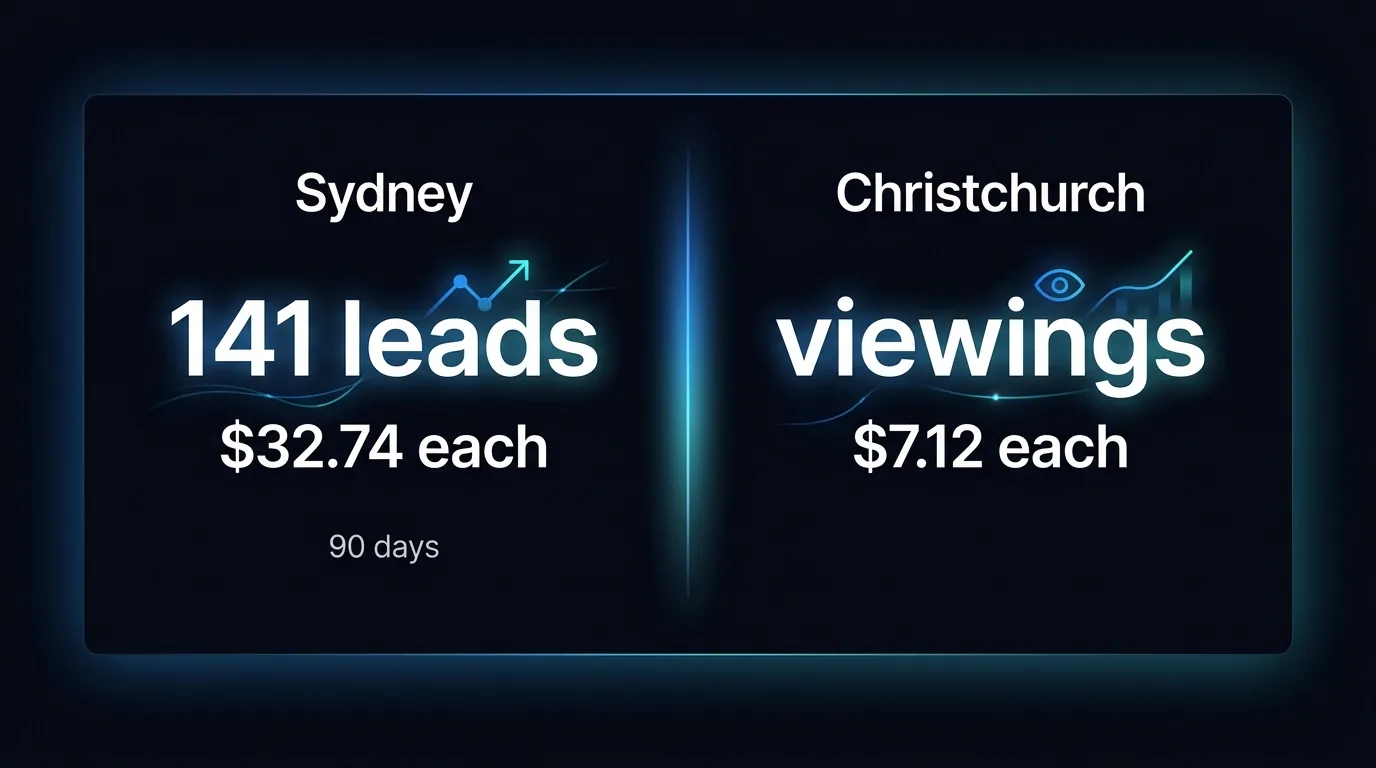
Two real campaigns across the Tasman: vendor leads at $32.74 in Sydney, viewings at $7.12 in Christchurch.
How does it fit your CRM and sales process?
Every call writes back to your CRM with the transcript, the qualification result, and the outcome tag. Hot leads land in your reps' queue. Everything else is logged so nothing falls through. The agent slots into the process you already run.
You don't rebuild your pipeline around the tool. The agent reads your lead list, dials, and updates each record with what happened. We've shown how to wake dormant CRM leads with an agent, which is where most teams find their first easy win.
There's a backlog of old enquiries in every CRM that no human has time to call. The agent works that list for the price of coffee and surfaces the few that are still alive. If you want the build steps, we wrote a guide on implementing outbound sales calls end to end.
See what your list is hiding.
Most teams sit on a few thousand untouched leads. Our AI sales agent for New Zealand and for Australia will dial, qualify, and surface the live ones.
Frequently Asked Questions
Does the AI SDR pretend to be human?
No. The agent discloses it's an AI at the start of every call. That's both the honest thing and the compliant thing. In practice it doesn't hurt results. People care that the conversation is useful and respectful, not that a human held every second of it. Disclosure up front also keeps you clear of the privacy and spam rules in both countries.
How fast can a hot lead reach a real rep?
Instantly, if a rep is free. The agent live-transfers the call while the person is still on the line, and passes the full context so the rep starts mid-conversation. If no one's available, it books a callback and flags the lead as hot. Speed of follow-up is one of the biggest levers on whether a warm lead closes.
What's a realistic cost per qualified lead?
It depends on your list quality and qualification bar, but the Sydney campaign produced vendor leads at $32.74 each over 90 days. At about 80 cents a minute billed by the second, a 200-dial campaign runs around $100. The cost per qualified lead is the figure to watch, since raw dial cost tells you almost nothing.
Will it work for B2B as well as consumer leads?
Yes. The qualification logic is yours to set. For consumer leads it might be timeframe and intent. For B2B it might be company size, budget owner, and contract end date. The agent works through whatever criteria you define in natural conversation, then warm-transfers or tags based on the result.
Is my data stored in Australia?
Your portal, transcripts, and structured call records sit on our Sydney servers. The live audio itself is processed offshore, so we won't tell you everything stays in Australia, because that wouldn't be true. What we will tell you is exactly where each part lives, so you can make an honest call for your own compliance.
How many calls can it make in a day?
As many as your list and your compliance window allow. The agent dials in parallel and doesn't tire, so a 200-name list clears in the time a human reaches a dozen people. You set the daily cap, the calling hours, and the do-not-call screening, and the agent works inside those limits.
For the full security picture, read how Waboom secures voice AI.
Leonardo Garcia-Curtis
Founder & CEO at Waboom AI. Building voice AI agents that convert.
Ready to Build Your AI Voice Agent?
Let's discuss how Waboom AI can help automate your customer conversations.
Book a Free Demo