What is a mass disruption callout?
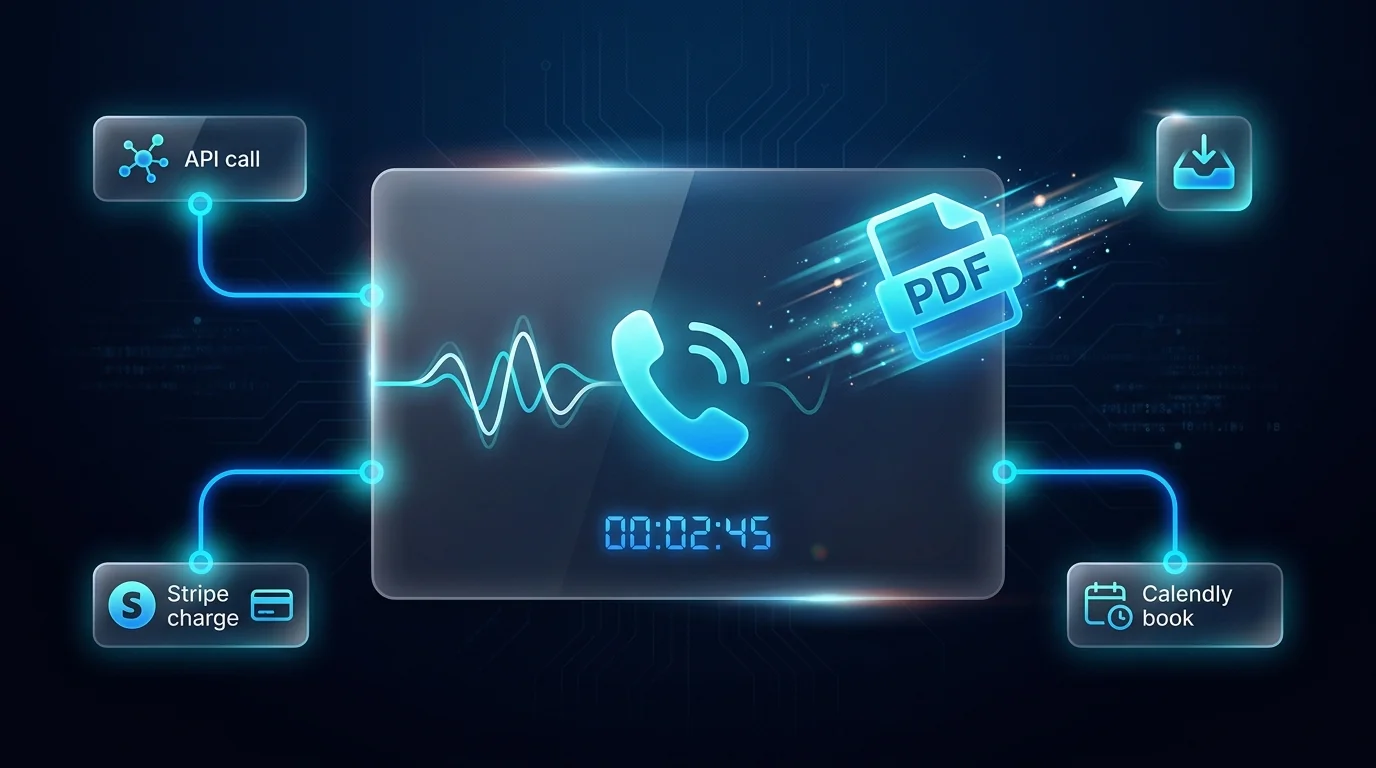
It is the phone version of a fire drill. One event cancels dozens or hundreds of bookings at once, and every affected customer gets a real call, fast.
Not a broadcast text they will read as spam. Not an email at position 40 in their inbox. A call that says what happened, offers the options, and sorts each customer before they have to chase you.
The problem is arithmetic. Disruption creates hundreds of urgent conversations at the exact moment your team is busiest dealing with the disruption itself. Nobody has ever staffed for that day. Now nobody has to.
How often does NZ weather actually wipe out a day's bookings?
More often than you budget for. This winter alone made the case.
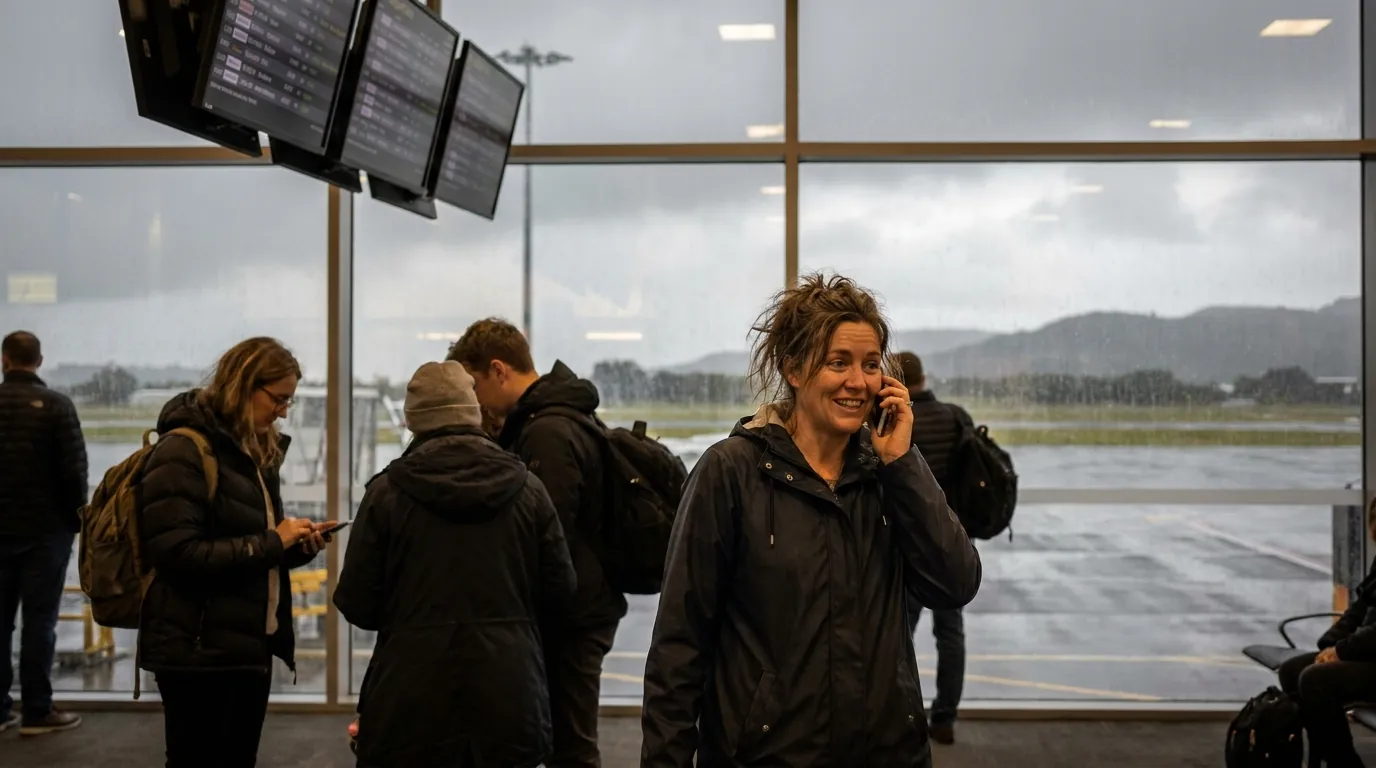
Auckland Airport fog forced cancellations five times in about six weeks. If you run tours, shuttles or rentals, you felt it. The worst morning, 23 July, saw 35 flights cancelled. Every one of those flights carried tour customers, rental pickups, shuttle bookings and meetings that all needed a phone call.
Cook Strait did it in June. RNZ reported huge southerly swells saw Interislander cancel every Tuesday sailing and Bluebridge stop from Monday night.
The news copy noted the ferry companies "were contacting customers". That sentence was worth reporting. That is how low the bar sits.
Power does it to you too. A February storm left more than 25,000 Powerco properties without electricity, the network's worst storm damage since Cyclone Gabrielle. And the Commerce Commission's long-term data shows outage duration per customer has been rising about 6 percent a year for a decade.
Australia reads the same. The ACCC's December 2025 report shows only 74.1 percent of October's domestic flights arrived on time, with weather named as a driver.
What do the airlines' AI systems already do about it?
The big carriers stopped hand-dialling years ago.
Cognigy runs the customer AI behind Lufthansa Group and Frontier. It reports more than 16 million customer conversations a year, peaking at 375,000 in a day, and advertises fully automated rebooking and refund flows. Frontier alone runs about 800,000 automated conversations a month through it.
Worth being straight with you about those deployments. They are mostly chat and messaging, built for passengers who live inside an airline app. Vendor-published numbers, as always.
Honestly, our own carriers should be moving on this right now. Qantas, Jetstar and Air New Zealand just watched fog and storms shred a winter of schedules. The rebooking queue is still a phone number and a long wait. The technology their overseas peers use is sitting on the shelf.
But you do not need to wait for an airline. Your customers booked a tour, a ferry ride, a venue, a job, and they are not in anyone's app. When their plans die, the channel that reaches them is the phone. That is the piece the airlines' playbook leaves for you.
How does a callout actually run for a NZ or AU business?
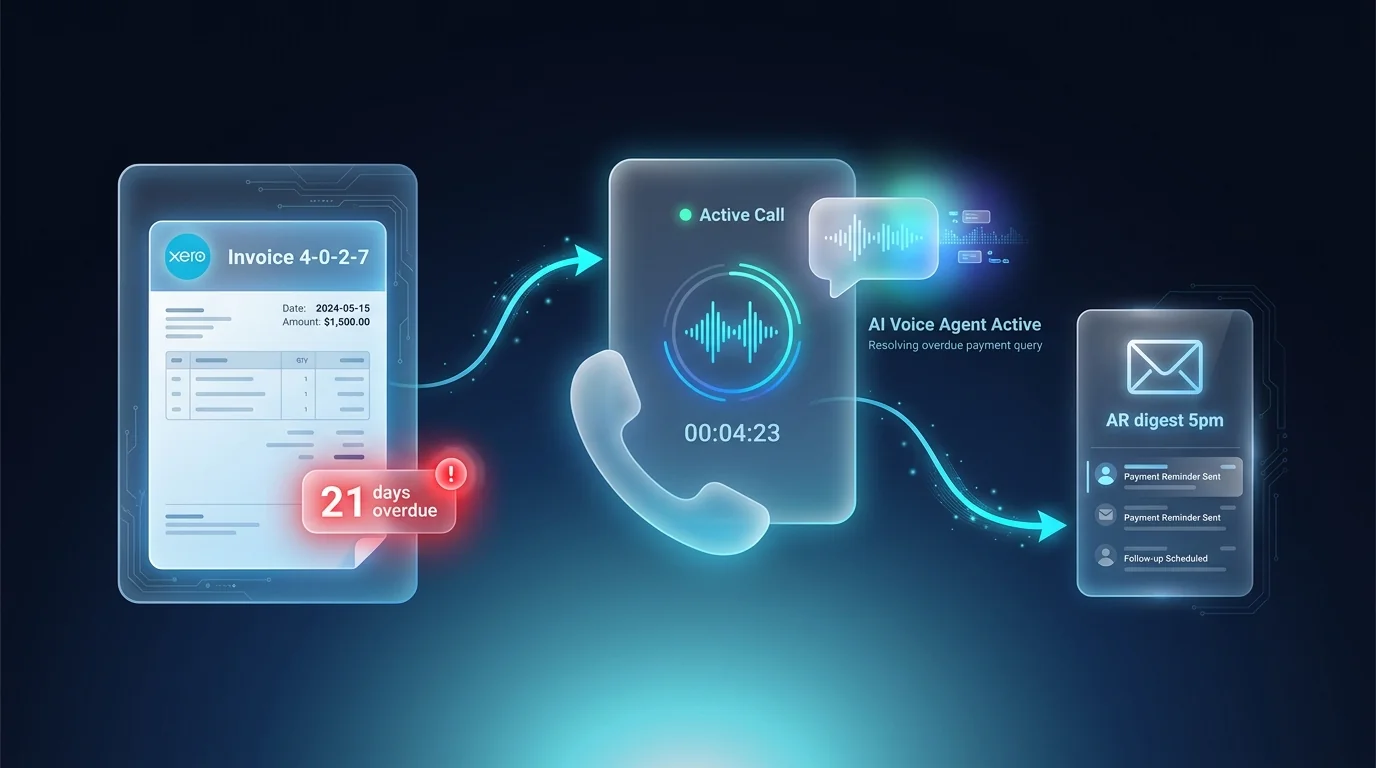
From trigger to done, the shape is always the same.
By the time your competitors' phones are melting with inbound, your customers already know their new plan.
What does calling 400 customers actually cost?
Around $640, and it is finished inside the hour.
The maths is simple. Calls run at about 80 cents a minute, billed by the second. A disruption call is short, roughly two minutes: explain, offer, rebook, confirm. Four hundred calls at two minutes is 800 minutes.
Now price your manual version. At eight minutes per attempt including redials and voicemails, 400 customers is more than 50 staff hours. That is one person's full week, demanded on the single day they had no spare minute.
It does not happen. That is why the silent option keeps winning by default.
The agent dials your whole list in parallel and works it like a campaign. It runs on the same engine as our 200 dial campaign costing. Speed is not a luxury feature here. Speed is the entire product.
Why does saying nothing cost more?
Because silence converts one problem into hundreds.
Every customer you do not call becomes an inbound call at your busiest hour. Or a refund demand instead of a rebooking. Or a one star review that outlives the storm.
The cancellation was the weather's fault. The silence afterwards is yours, and customers grade them separately.
There is also the other side: the callout you run well becomes the story your customer tells. The tour company that rang before the customer even saw the cancellation looks bigger than it is. In a market where "contacting customers" makes the news, being the business that actually rang everyone is a competitive identity, not an admin task.
Frequently Asked Questions
Can it really rebook, or just notify?
It rebooks against your live availability and confirms on the call. Where a booking cannot be saved, it logs the refund request or the credit, tagged for your team to process. Notification-only mode exists too, for outages where there is nothing to rebook.
Is a disruption callout allowed under the Do Not Call rules?
Yes. These are service calls to your own customers about their own bookings, not marketing. The NZ and AU frameworks target unsolicited commercial contact. Ring them about the thing they bought, keep the sales pitch out of it, and you are doing customer service.
What about calling at 6am when the fog hits?
The campaign respects the calling windows you set. Early calls tend to be welcome when the alternative is a customer driving to a cancelled sailing. But that is your judgement to encode, and urgent windows can differ from polite ones by event type.
Where does the customer data go?
Booking details, transcripts and outcome tags sit on our Sydney servers, and live audio is processed offshore. We are transparent about that split. See the Office of the Privacy Commissioner and the OAIC for the frameworks that apply.
For the bigger picture, read our complete guide to AI voice agents for NZ and Australian businesses.
Leonardo Garcia-Curtis
Founder & CEO at Waboom AI. Building voice AI agents that convert.
Ready to Build Your AI Voice Agent?
Let's discuss how Waboom AI can help automate your customer conversations.
Book a Free Demo