
75% of people ignore calls flagged as spam.
Not some of the time. Three quarters of every dial your AI agent makes. Gone. Wasted.
Your number is cooked and you don’t even know it yet.
Most AI calling providers won’t tell you this. They’ll sell you unlimited minutes and an impressive dialler. What they won’t sell you is a plan for keeping your numbers alive.
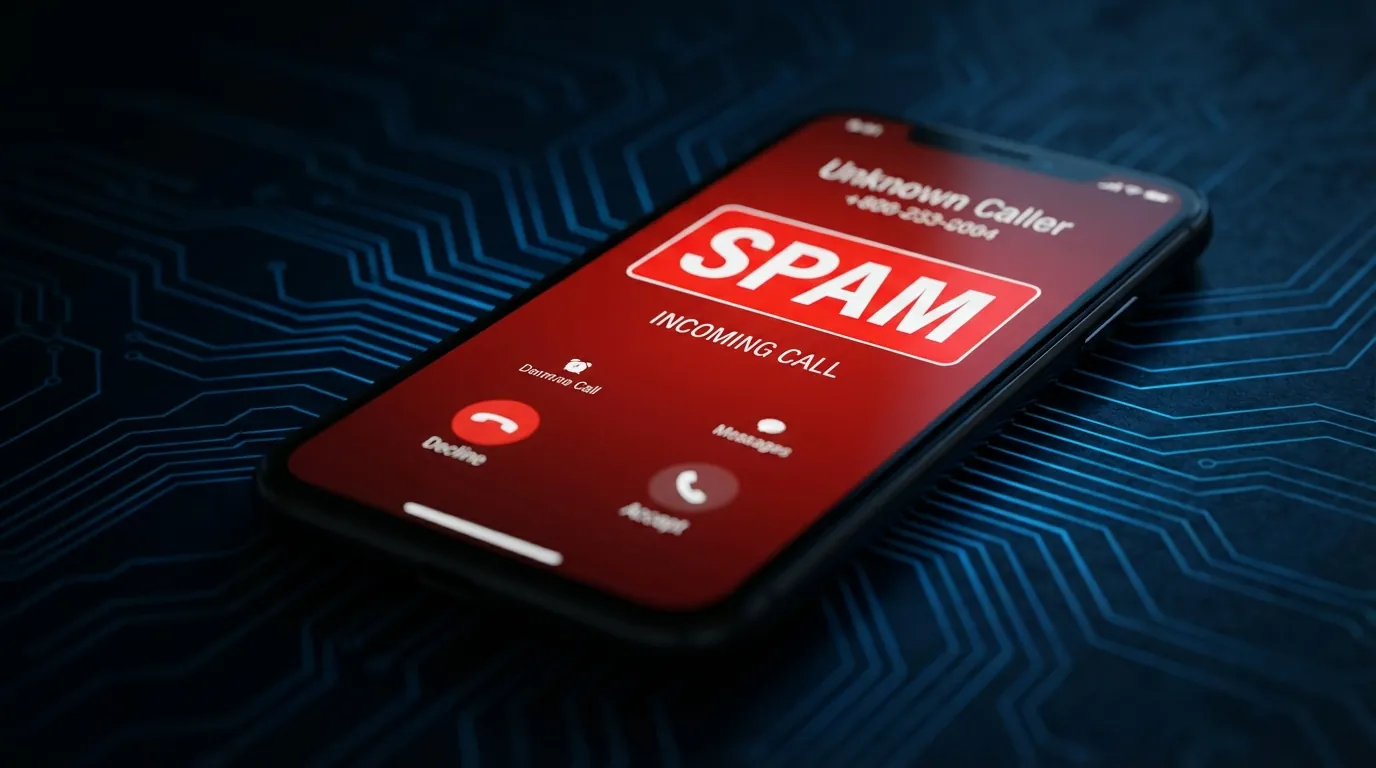
Because in New Zealand and Australia, the carriers are watching. And they’re not checking your ID. They’re watching your behaviour.
America Has a Passport System. We Don’t.
In the US and Canada, there’s a framework called STIR/SHAKEN. Every call gets a digital signature from the carrier. “Yes, this person owns this number.” Verified.
The receiving carrier checks that signature. Full trust, partial trust, or no trust. Simple.
New Zealand and Australia? Neither country has implemented STIR/SHAKEN. No cryptographic caller ID verification. No digital passport for your phone number.
So how do our carriers decide who’s a spammer?
They watch what you do.
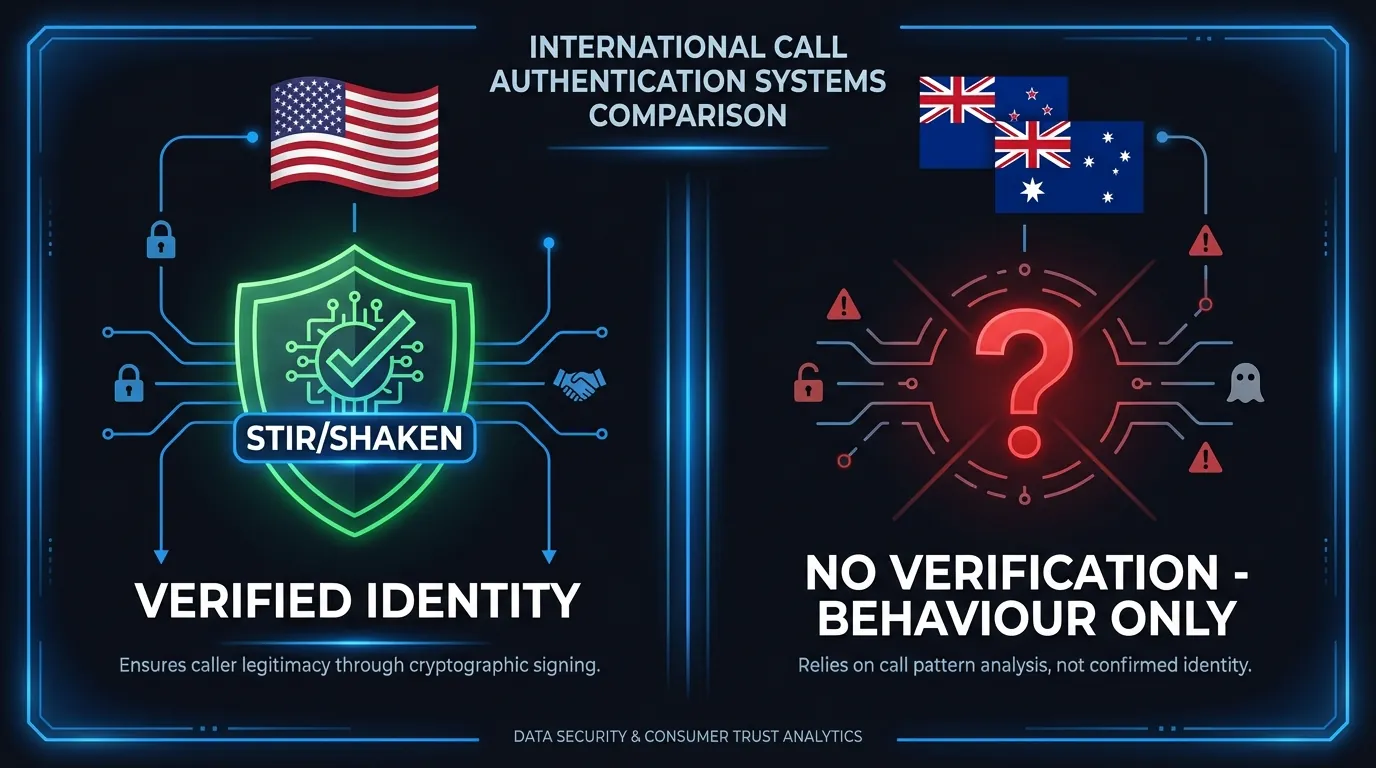
US/Canada verify identity with STIR/SHAKEN. NZ/AU carriers rely entirely on behaviour.
Behavioural Detection: The Silent Judge
Australian telcos have blocked over 2.6 billion scam calls since December 2020. They didn’t do that by checking paperwork. They did it by building systems that analyse calling patterns in real time.
Here’s what those systems are looking for. And here’s why you should care.
Volume spikes. A number that made 10 calls yesterday and 500 today? Looks like it just got loaded into a dialler. Because it did.
Metronomic timing. Calls going out every exactly 60 seconds? That’s a machine. Humans don’t operate on a clock.
High failure ratios. If most of your calls last under 5 seconds or go unanswered, you look like a robocaller carpet bombing a list.
Geographic sequencing. Dialling every 04 number in order, then every 09? That’s not a salesperson working leads. That’s a scraper running a list.
Sudden appearances. A brand new number making 200 calls on day one has never happened organically. Carriers know this.
The moment your number triggers enough of these signals, it gets flagged. “Spam Likely.” Sometimes silently blocked entirely.
Your AI agent keeps dialling. Nobody picks up. Your campaign data looks terrible and you blame the leads. It was never the leads. It was your number. And if you’re not [scoring your leads properly](/blog/hot-lead-follow-up), you’re compounding the problem.
Why Most AI Calling Providers Don’t Care
Here’s the uncomfortable truth. Most platforms target the US market. STIR/SHAKEN handles trust verification over there (we wrote a [US compliance guide](/blog/ai-call-compliance-in-us) if you’re operating stateside). They bolt on number rotation as an afterthought.
Crank the volume. Burn through numbers. Buy more. That approach fails spectacularly down here.
Without STIR/SHAKEN, there’s no way to “verify” your way out of bad behaviour. The only thing protecting your number is how it behaves on the network.
And most diallers behave like robots. Because they are. Sound familiar?
What We Built Instead
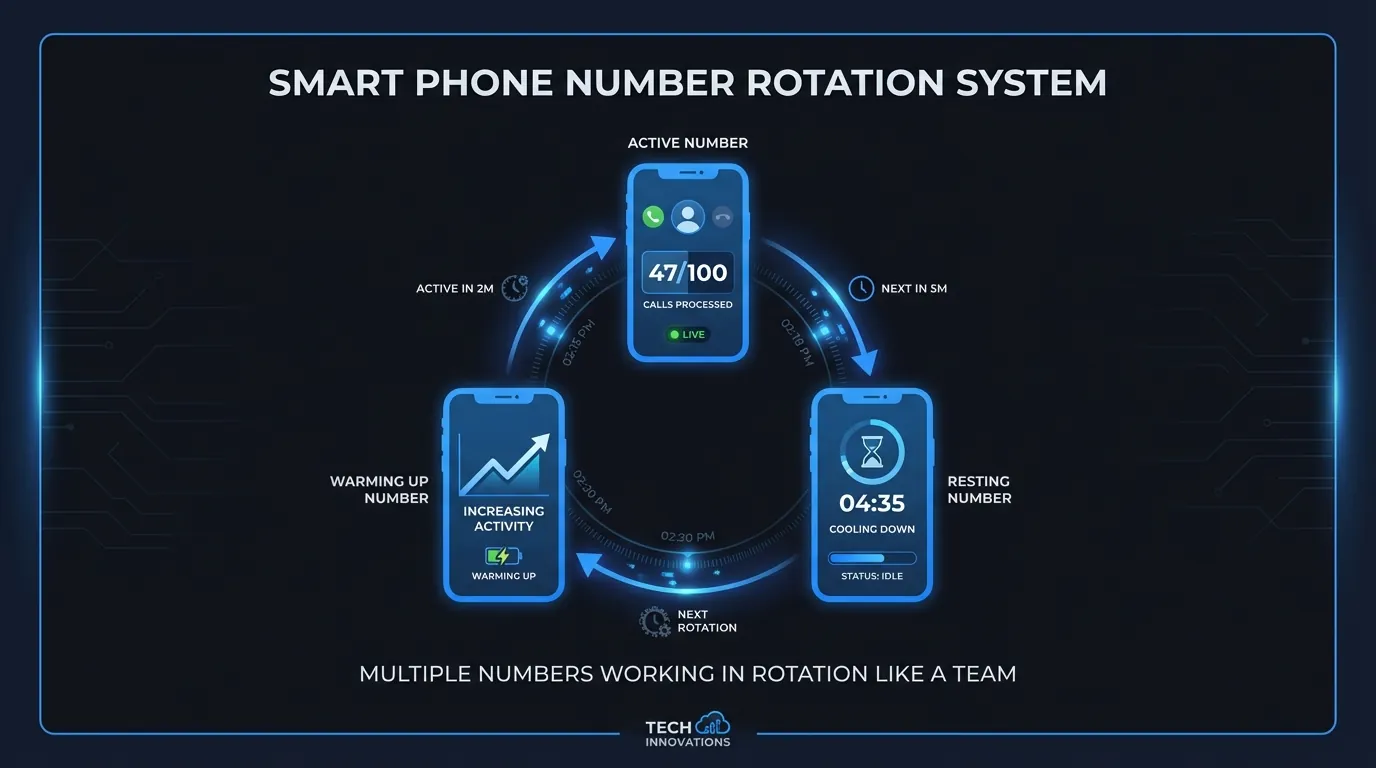
Waboom’s multi-number rotation system: each number behaves like a real person.
I’ll be honest. When we first started building AI calling campaigns at Waboom, we burned a number in 3 days flat. 400 calls. Flagged. Dead.
That $30/month number took our client’s caller reputation down with it.
So we rebuilt everything. Not a dialler. A system that makes every phone number look like a person. Here’s how our [AI voice agent platform](/ai-voice-agents) actually handles it.
Here’s what that actually means for you.
Regulatory bundle provisioning. Automated.
NZ and AU carriers require regulatory bundles before you can provision local numbers. Business registration, address verification, identity documents. We handle the entire process for you. Every number we provision is verified with the correct regulatory bundle from day one. No paperwork. No delays. No numbers getting pulled because someone forgot to submit compliance docs.
100 calls per day. Maximum.
Industry research shows anything over 100 calls per number per day triggers carrier flagging. We hard cap it, no override, no “just this once.”
30 calls per hour.
Even within the daily limit, we spread the load. Thirty per hour means your number never shows burst patterns.
50 call rotation with 2 hour cooldown.
After 50 calls, that number stops. It rests for 2 hours while the next number takes over. Carriers see a number that goes quiet, comes back later. Like a human would.
Randomised 80 to 120 second intervals.
Not every 60 seconds, not every 90 seconds, a different gap every time. That’s how your team actually works between calls. They check notes. They grab a coffee. They’re inconsistent. We replicate that inconsistency for you deliberately.
Gradual warmup for new numbers.
Day one, your new number makes 50 calls max. Day two, a few more. By day four, it’s at the full 100. A brand new number that immediately hits capacity looks suspicious. One that ramps up naturally? That looks like a new hire finding their rhythm. Your numbers get the same treatment.
Contact order shuffling.
We randomise your dial order every time. No geographic sequences. No alphabetical lists. No patterns for carriers to detect.
Short call intelligence.
Calls under 5 seconds get flagged as rejected. We don’t retry them. High rejection ratios are one of the fastest ways to get your number burned.
Smart retry logic.
If someone doesn’t answer, we wait 48 hours. Maximum two attempts. Never on the same day. Because ringing someone three times in an afternoon is what scammers do.
DNC auto detection.
Our AI listens for “take me off your list” during your calls. It adds them to the Do Not Call register automatically. No human needed. No compliance gaps. We cover this in depth in our [NZ and AU compliance guide](/blog/voice-ai-privacy-compliance-nz-australia).
Holiday blocking.
We block your outbound campaigns on NZ and AU public holidays. Calling someone on Anzac Day? Fast way to get reported.
Multi number rotation for Scale and Enterprise.
Scale packages get you up to 3 numbers. Enterprise gets 5. During peak windows, all your numbers work in parallel. Each at normal human pace. Each looking completely independent. The result for you: 2 to 3 times the throughput without any single number looking abnormal.
Why This Actually Works
Every layer serves one purpose. Make each phone number look like a person making calls from your desk.
Carriers don’t flag people. They flag patterns. Our system doesn’t produce patterns.
100 calls spread across the day with random timing and natural pauses? That looks like a busy sales rep to the carrier. That’s exactly what we engineered for you.
The number rests. It warms up gradually. It doesn’t hammer the same area code. It stops when it’s tired.
Multiply that across 3 or 5 of your numbers in parallel and you’ve got a team of callers. Each one invisible to carrier detection. Each one protecting your brand.
We’ve since taken this further with phone number health scores and anti-spam cadence controls that monitor and protect your numbers in real time.
The Cost of Getting This Wrong
When your number gets flagged, three things happen fast.
Your answer rate drops to almost zero. 75% of people ignore spam flagged calls. The other 25% are usually just confused.
Your brand takes a hit. If your business name shows up as “Spam Likely” on someone’s phone, that’s an impression you can’t undo. We wrote an entire piece on [how dumb AI platforms destroy your brand](/blog/smart-ai-voice-compliance). It’s worth reading.
You burn through numbers. Buy a new one. Blast it. Burn it. Repeat. That’s not a strategy. That’s a death spiral.
(And no, “registering your number” doesn’t fix it here. That’s a US thing. In NZ and AU, behaviour is the only currency that matters.)
Dumb Autodialers Get You Fined. Smart AI Gets You Paid.
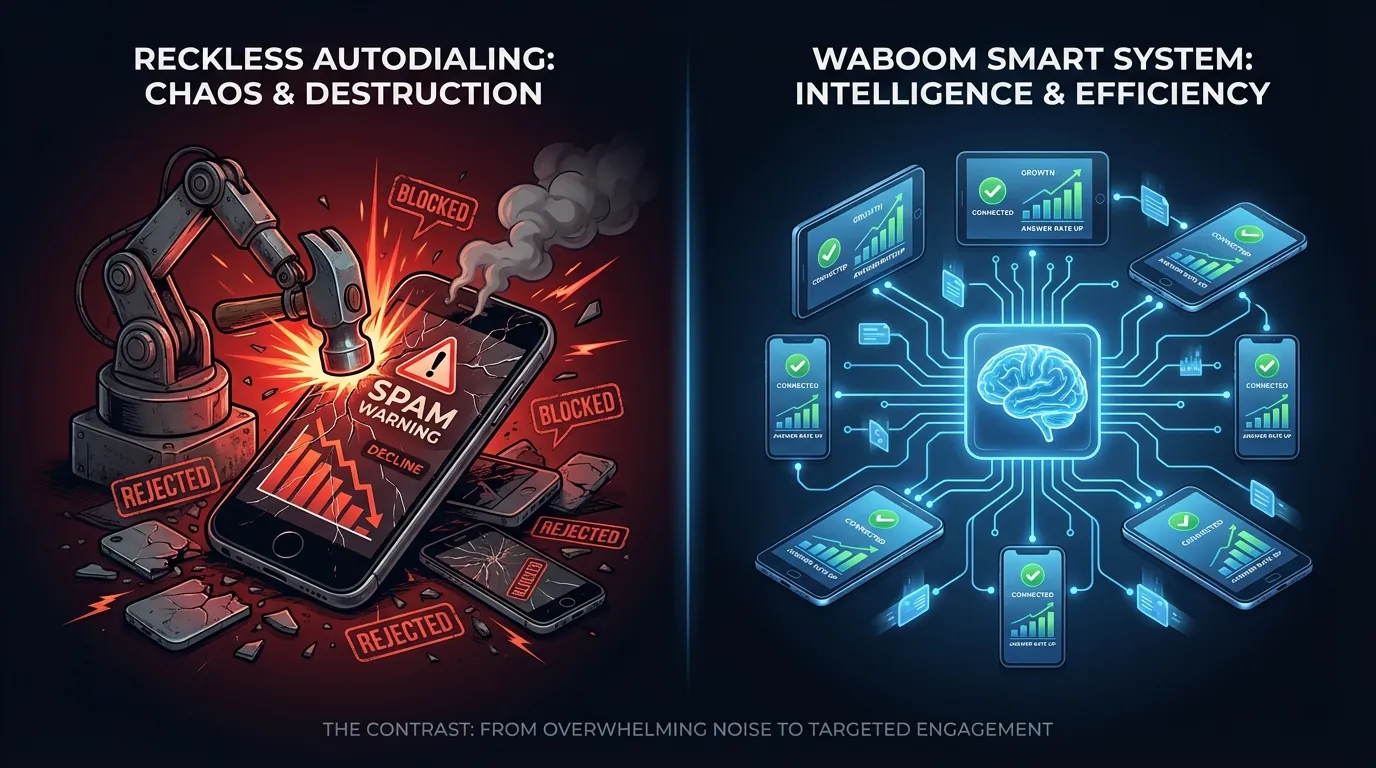
The difference between burning numbers and protecting them comes down to engineering.
If you’re using AI calling in New Zealand or Australia, ask your provider one question.
“What specifically are you doing to prevent my numbers from being flagged as spam?”
If the answer is “we rotate numbers” and nothing else, you have a problem. Rotation without discipline is just burning numbers faster.
We built Waboom’s calling infrastructure for NZ and AU carriers specifically. Not retrofitted from a US platform. Not “we’ll figure it out.” Built to keep your numbers clean, your answer rates high, and your brand intact.
Your AI agent is only as good as its phone number’s reputation. Protect it or lose it.
[See our AI Voice Agent platform →](/ai-voice-agents) | [Talk to Waboom →](https://waboom.ai/contact)
---
Sources
[ACMA — Action on Scams Q1 2025](https://www.acma.gov.au/publications/2025-05/report/action-scams-spam-and-telemarketing-january-march-2025)
[ACMA — Combating Phone Scams](https://www.acma.gov.au/combating-phone-scams)
[Convoso — Overcoming Call Blocking 2025](https://www.convoso.com/blog/avoiding-call-blocking/)
[Hiya — Spam Risk Warnings](https://blog.hiya.com/spam-risk-warnings-are-your-outbound-calls-being-flagged)
Frequently Asked Questions
Why do my AI calls get flagged as spam in New Zealand and Australia?
NZ and AU carriers don’t use STIR/SHAKEN caller ID verification like the US. Instead, they rely entirely on behavioural detection.
If your calling patterns look like a robot (high volume, metronomic timing, geographic sequencing, high failure ratios), your number gets flagged as “Spam Likely” or silently blocked.
How many calls per day can I make before getting flagged?
Industry research shows anything over 100 calls per number per day significantly increases the risk of carrier flagging.
Waboom hard caps at 100 calls per day per number and 30 per hour, with randomised intervals between 80 and 120 seconds to mimic human calling behaviour.
Does registering my phone number prevent spam flagging in Australia?
No. Number registration and STIR/SHAKEN verification are US frameworks.
In New Zealand and Australia, the only thing that protects your number is its behaviour on the network. Carriers watch your calling patterns, not your registration status.
What is phone number warmup and why does it matter?
Phone number warmup is the gradual increase of call volume on a new number over several days. A brand new number making 200 calls on day one triggers carrier detection immediately.
Waboom starts new numbers at 50 calls on day one and gradually ramps up to the full 100 by day four, mimicking how a new employee naturally builds their call volume.
How does Waboom’s phone number rotation work?
Waboom rotates numbers after every 50 calls with a 2-hour cooldown period. During peak windows, multiple numbers work in parallel, each at normal human pace and each appearing completely independent.
Scale packages get 3 numbers and Enterprise gets 5, delivering 2 to 3 times the throughput without any single number looking abnormal to carriers.
For context on the wider category, see how AI voice agents work for local businesses.
Leonardo Garcia-Curtis
Founder & CEO at Waboom AI. Building voice AI agents that convert.
Questions about voice AI for your business?
Talk to the Waboom AI team. No pitch, just straight answers.
Talk to Us

